The 80/20 Rule of Resilience: High-Leverage Strategy for the Exhausted
If you only have 20% energy left in the tank, where should you spend it to get 80% of the security results? Most of us are wasting effort on low-leverage chores while the structural gaps remain wide open. It’s time to stop 'prepping' and start focusing on the high-yield mechanics of autonomy.


Lately, I’ve seen a recurring theme in The Resilience Village: exhaustion. People are feeling the weight of the start of the year - juggling full-time jobs, family commitments, and the increasing cost of living, all while trying to "build resilience on the side".
The common mistake is thinking that resilience is a binary switch: you are either a consumer or you are a perfectly off-grid homesteader. We look at the 80% of people on socials who show their perfectly weeded acres, the complex solar arrays, the artisanal sourdough, and we feel like failures because we don't have the energy to get there.
But resilience follows the Pareto Principle. In any complex system, roughly 80% of your results come from 20% of your activities. If you only have 20% energy left in your tank this month, you cannot afford to waste it on low-leverage chores. You need to spend it where it provides a massive, structural safety net.
The Low-Leverage Trap
We tend to overcomplicate things. We spend hours researching the perfect chicken coop or trying to save a single dying tomato plant. This is the unsexy work that requires high ongoing energy but offers relatively low systemic security. If the global supply chain fractures tomorrow, a few extra tomatoes won't keep your household business solvent.
To move from vulnerability to agency, we must stop trying to do everything and start doing the right things. We need to identify the Critical 20%: the boring, high-leverage actions that require very little ongoing maintenance but provide the strongest ROI on your security.
The Critical 20: Where to Spend Your Energy
If you are running on fumes, here is where you should allocate your remaining capacity to get the maximum security result:
1. The Financial Redoubt (Cash and Bullion)
The most immediate threat for most Australians isn't a lack of food, but a lack of liquidity. As I discussed in my report on The Great Reclamation, our wealth is increasingly becoming a permission-based digital digit.
- The 20% Action: Spend one afternoon setting up a physical cash reserve and a small allocation of physical bullion.
- The 80% Result: You are now immune to short-term bank freezes or digital grid failures. This is a one-time effort that provides permanent security.
2. The Biological Software (Seed Banks and Perennials)
Annual gardens are high-maintenance. They require constant weeding, watering, and care.
- The 20% Action: Instead of a complex annual veggie patch, invest in a high-quality, vacuum-sealed seed bank and plant three hardy, local fruit trees or a Living Fence.
- The 80% Result: You have secured the genetic software for your future food supply. The trees grow while you sleep, and the seed bank is a "break glass in case of emergency" asset that requires zero daily work.
3. The Hydraulic Strategy (Water Storage)
In the dry heat of our summer, water is the primary metric of survival.
- The 20% Action: Ensure your existing gutters are clean and your tank levels are monitored. If you don't have a tank, buy three 1,000L containers and fill them.
- The 80% Result: You have just secured the most vital input for your household for the next 90 days. It doesn't require skill to maintain, just a lid and a tap.
4. The Social Capital (Community Connection)
The Lone Wolf dies in the first month of a crisis.
- The 20% Action: Introduce yourself to your two immediate neighbours or spend 15 minutes a week engaging in The Resilience Village.
- The 80% Result: You have established the Ecology of Freedom. When things get hard, you have a network to trade with, borrow from, and protect.
Reframing Success: Structure Over Effort
Resilience is often marketed as a lifestyle, but for the strategist, it is an Operating System. The goal of an OS is to run in the background with minimal user input.
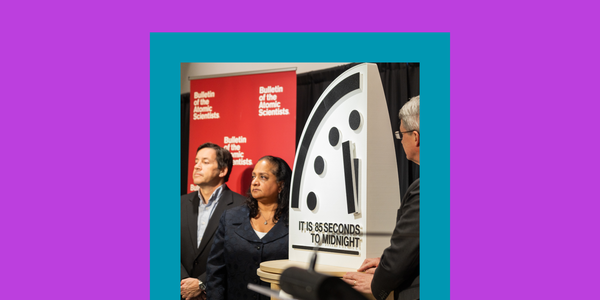
When you focus on these high-leverage actions, you are building a structure. You are creating a life where you are less affected by the slop of the mainstream media and the erratic whims of the corporate elite. Success isn't measured by how busy you are on your patch; it’s measured by how little you need from a system that is currently moving at 85 seconds to midnight.
We spend so much of our lives wishing for more time. By focusing on the 20%, you actually get your time back. You stop being a slave to the chore list and start being the director of your own redoubt.
The Transition
If you’re in the messy middle, stop looking at the 80% effort. Walk away from the unweeded garden bed and the complex sourdough starter if they are draining your spirit. Instead, look at your Physical Redoubt. Have you secured your water? Have you reclaimed some of your wealth from the digital cage? Have you connected with your village?
These are the boring, unsexy moves that make the most difference. They are the foundations of the ROS (Resilience Operating System). Once the foundations are set, everything else, the chickens, the compost, the preserves, becomes a joy rather than a burden.
Stop trying to do it all. Just do the things that count. Grab your hat. We’ve got work to do.
To understand the deeper data driving this strategic shift, read my briefing on An Act of Rebellion.
Ready to audit your own Critical 20? Choose your direction on The Path.