April Gardening Guide for Temperate Climate
April Gardening Guide for Temperate Climate
Your April Guide to a Thriving Temperate Garden
It's April in temperate Australia, a time for your garden to transition from the vibrant splash of summer to the cool elegance of autumn. Whether you're a seasoned green thumb or new to growing your own food, this guide will equip you with the knowledge to transform your backyard into a flourishing haven, even in our unique climate.
Temperate regions, like much of southern Australia, offer a distinct charm when it comes to gardening. We experience four distinct seasons, each offering its own bounty and requiring slightly different approaches. April, nestled between the warmth of summer and the chill of winter, is a crucial time to prepare your garden for the changing seasons.
So, let's roll up our sleeves and delve into the world of April gardening!
April offers a window of opportunity to sow a diverse range of cool-weather vegetables and herbs. Here's how to plan your planting strategy:
Directly Sown Delights
Leafy greens: If you missed this job last month, then kale, collard greens, spinach, and mustard greens flourish in cooler temperatures. Sow seeds directly in prepared garden beds and watch them thrive in the autumn sunshine.
Root vegetables: Carrots, beetroot, parsnips, and turnips all appreciate cooler soil for optimal growth. Sow seeds directly about an inch deep and keep the soil consistently moist for successful germination. (You can plant these in trays too if you want to hedge your bets).
Brassicas: Broccoli, cauliflower, and cabbage are perfect candidates for direct sowing this month. Choose varieties suitable for your climate and enjoy a delicious autumn harvest.
Transplanting Treats
If you are NOT like me and start your seedlings indoors earlier, you can now transplant these outdoors, marking the culmination of your nurturing efforts!
Harden off your seedlings: Gradually expose them to the elements for a week or two before transplanting. This allows them to adapt to outdoor conditions and reduces transplant shock.
Prepare your garden beds: Ensure the soil is well-draining, amended with organic matter, and free of weeds. Dig planting holes slightly larger than the root ball of your seedlings.
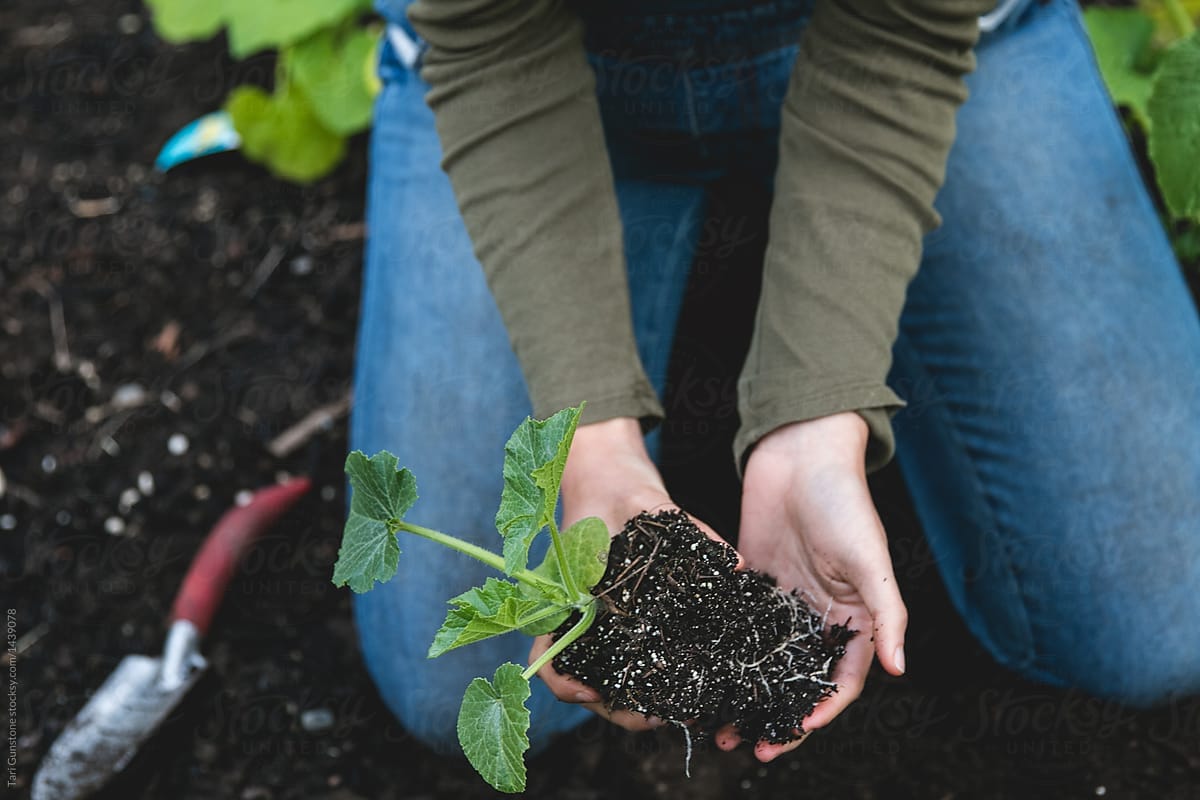
Transplant with care: Gently remove seedlings from their pots, disturbing the root ball as little as possible. Place them in the prepared holes, ensuring the soil level is at the same height as the pot. Water thoroughly and mulch around the base to retain moisture.
Harvesting with Joy
April can mark the start of the harvesting season for some of the vegetables you diligently nurtured toward the end of summer:
Lettuce: Enjoy a bountiful harvest of crisp, leafy greens for salads, wraps, and sandwiches.
Radishes: Look for plump, brightly colored radishes for a refreshing addition to meals and snacks.
Herbs: Snip away at fresh herbs like coriander, parsley, and chives to enhance the flavour of your dishes. Remember, regular harvesting encourages further growth.
Preserving the Goodness
Don't let your first harvest go to waste! Here are some tips for extending the shelf life of your homegrown produce:
Pickling: This classic preservation method is perfect for cucumbers, onions, chilli and capsicums. You can find a variety of pickling recipes online or in cookbooks. (You can get hands-on with this in my winter workshop).
Fermenting: This method is gaining popularity for its health benefits and its ability to preserve vegetables like cabbage and carrots. It is such a simple and healthy way to feed you gut.
Storage: Store root vegetables like carrots and beetroot in a cool, dark, and well-ventilated place. Leafy greens can be stored in the refrigerator for a few days. This potato storage guide is great for extending the yield.
Garden Jobs for April
Composting: Gather fallen leaves and food scraps to create nutrient-rich compost for your garden. Composting is a sustainable way to recycle waste and improve soil health.
Mulch madness: Apply a layer of organic mulch around your plants to retain moisture, suppress weeds, and regulate soil temperature.
Winter prep: Start planning for the cooler days ahead. Research winter vegetables suitable for your climate and consider sowing seeds or acquiring seedlings in preparation for planting later in the season.
April's fresh air and changing colours signal a shift in the gardening landscape. With a little planning and dedication, you can ensure your garden flourishes throughout the year. Remember, resources like my hands-on workshops are there to guide you on your journey towards a thriving and resilient garden. So, embrace the coolness of autumn, nurture your plants, and watch your garden transform into a vibrant tapestry of seasonal delights!