August Gardening Guide for Temperate Australia
August Gardening in Temperate Australia
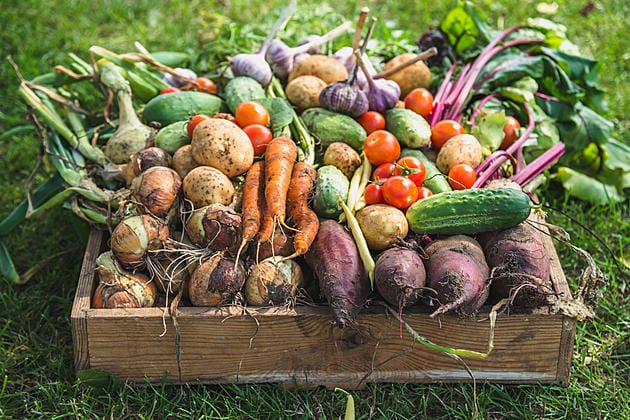
August Gardening: Seizing the Early Spring Opportunity
It might still be freezing at your place but now is the time to be thinking about what to grow in early spring. While the cool weather can present some challenges if growing outside, it also opens up exciting opportunities for indoor or hot house growing. Let's dive into the key tasks in your garden this August.
Embrace the Early Spring
One of the most noticeable impacts of this early spring (depending on your location) is the accelerated growth of many plants. This means we can start planting certain crops and seedlings earlier than usual.
Seed Starting: If frosts have passed in your area, you can start sowing seeds directly into the ground. Consider fast-growing varieties of lettuce, spinach, and radishes to get quick wins. If you are still experiencing significant cold front, sow seeds indoors or undercover. Here’s a short list of edible plants I love to grow at this time of year:
Artichokes (Globe), Asparagus, Beetroot, Cabbage, Cape Gooseberry, Capsicum, Carrot, Cauliflower, Celeriac, Celery, Chilli, Chives, Cucumber, Daikon, Dill, Fennel, Kale, Leeks, Lemon Balm, Lettuce, Loofah, Mint, Onion, Parsley, Parsnip, Peas, Potato, Pumpkin, Rocket, Snow Peas, Spinach, Spring onions, Strawberries, Sweet Marjoram, Thyme, Turnip, Watermelon, Zucchini.
Seedling Acceleration: For more sensitive crops like tomatoes, capsicums, and eggplants, you need to start them indoors in seed trays. This gives them a head start and ensures they're ready to transplant once the weather warms.
Water Wise Gardening
While we've enjoyed a lot of rain lately, it's crucial to be mindful of water usage as we think about warmer weather.
Mulch Magic: As the weather warms, a thick layer of mulch around your plants helps retain soil moisture, suppresses weeds, and regulates soil temperature. This could include crimping weeds, grasses or cover crops or sourcing mulch elsewhere.
Smart Watering: When rain comes to an end, water deeply but less frequently to encourage deeper root growth. Consider using drip irrigation or watering systems that deliver water directly to the root zone.
Harvest Rainwater: If you haven't already, invest in a rainwater tank. Every drop counts, especially in unpredictable weather patterns. IBC water towers, baths left out to fill uphill, 85L bins under gutters: anything is better than nothing.
Soil Nourishment
Compost Boost: Incorporate compost into your garden beds to improve soil structure, drainage, and nutrient content.
Cover Crops: Plant cover crops like legumes or nitrogen-fixing plants to enrich the soil and prevent erosion.
Worm Farming: From mini farms and in-ground systems to re-purposing bathtubs, there are so many ways you can encourage these hard working mini beasts in your patch. You can read more in my worm farm article.
Plant Selection for a Resilient Garden
With the unpredictability of our weather, choosing the right plants is crucial. Consider these options:
Drought-Tolerant Varieties: Opt for plants that can withstand dry periods, such as succulents, native plants, and certain herbs and most crucially, plants that grow in your area! There’s no point growing something you will have a baby to keep it alive. That’s the opposite of building resilience.
Versatile Veggies: Focus on versatile crops like leafy greens and root vegetables that can tolerate a range of conditions, and start your favourite more delicate veggies sooner rather than later.
Seed Saving: Collect seeds from your successful plants to ensure a continuous supply for future seasons. They are also the best seed for your conditions and will continue to produce reliable, tasty, food.
Fire-Wise Gardening
With the increased risk of bushfires in many parts of Australia, consider these fire-wise gardening practices:
Plant Fire-Resistant Species: Incorporate native plants known for their fire resistance into your garden. Now is the perfect time to get tube stock into the ground while they have time to establish strong root systems.
Create Firebreaks: Consider creating firebreaks around your property using non-flammable materials like gravel or brick.
Regular Maintenance: Keep your garden free of dry leaves and debris to reduce fire risk.
Embrace the Unexpected
This year's unusual weather patterns remind us of the importance of adaptability in gardening. Embrace the unexpected, learn from the challenges, and enjoy the rewards of a resilient and thriving garden.
Remember, every garden is unique, and what works for one may not work for another. Observe your garden, experiment, and most importantly, have fun!
Join The Resilience Village:
For more practical tips, shared wisdom, and a supportive community eager to embrace resilient living, come join us in The Resilience Village! It’s a free space where we connect, learn, and grow together. You’ll find a supportive community ready to help you on your self-sufficiency journey. Click here to get started, it’s free.