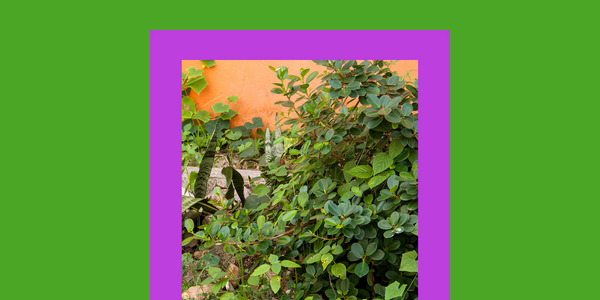
How To Build a Drought-Tolerant Food Forest for Temperate Climate
Drought tolerant gardening: Western Australia. How to protect soil and create a resilient garden.
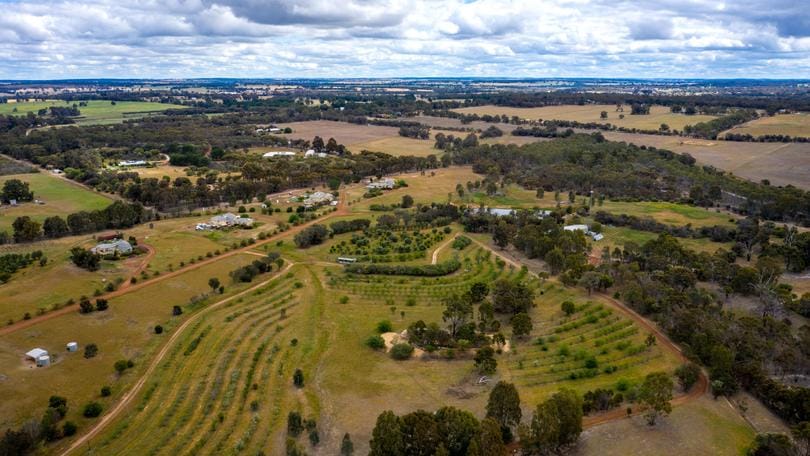
Food Forests: A Sustainable, Perennial Way To Grow
Imagine a garden that doesn't require constant tending from pests and diseases, provides a bountiful harvest year-round, and attracts a symphony of birds and bees. This isn't a figment of imagination; it's the promise of a food forest. Inspired by the natural patterns found in forests, food forests are designed to mimic the interconnectedness and productivity of these ecosystems. By carefully selecting and arranging plants in a multi-layered system, food forests create a self-sustaining environment that produces a variety of edible and useful plants.
In the heart of Western Australia's Zone 3, a temperate climate with warm summers and mild winters, food forests offer a sustainable and resilient approach to gardening. By choosing drought-tolerant plants and implementing water-wise practices, you can create a thriving oasis that flourishes even in the driest of seasons. Not only do food forests provide a source of fresh, homegrown food, but they also offer a multitude of environmental and social benefits.
Understanding Zone 3
Zone 3 in Western Australia is characterised by its temperate climate with warm summers and mild winters. While this offers favourable conditions for a wide range of plants, it's important to consider the specific microclimates within this zone and your own patch. Factors such as soil type, sunlight exposure, and proximity to water bodies can influence the suitability of certain plants.
By carefully observing your garden and understanding the unique characteristics of your local environment, you can select plants that thrive in your specific microclimate.
The Layered Structure of a Food Forest
A food forest is designed to mimic the natural structure of a forest, with multiple layers of plants working together to create a self-sustaining ecosystem. This layered structure provides a variety of benefits, including:
Increased productivity: By utilising different plant heights and growth habits, you can maximise the use of space and produce a wider range of food.
Improved biodiversity: A diverse range of plants attracts pollinators, beneficial insects, and other wildlife, creating a healthy and balanced ecosystem. Pests and diseases become few!
Enhanced soil health: The layers of plants help to protect the soil from erosion, improve water retention, and add organic matter to the soil.
The typical layers in a food forest include:
Canopy Layer: This layer consists of tall trees that provide shade and structure to the forest. Examples include fruit trees, nut trees, and shade-tolerant trees.
Shrub / Herb Layer: This layer includes shrubs and small trees, herbs, spices that provide additional food and habitat for wildlife and provide culinary delights and medicinal benefits. Examples include berries, currants, and native shrubs, mint, rosemary, and chamomile.
Vine Layer: This layer includes climbing plants that can be trained to grow on trees or structures, adding vertical diversity and increasing productivity. Examples include grapes, passionfruit, and climbing beans.
Groundcover Layer: This layer consists of low-growing plants that help to protect the soil, suppress weeds, and provide additional food sources. Examples include strawberries, peanuts, sweet potato, creeping thyme, and native groundcovers.
By understanding the layered structure of a food forest, you can create a more complex and resilient system that provides a variety of benefits for both you and the environment.
Designing Your Drought-Tolerant Food Forest
When creating a food forest in this zone, focus on selecting plants that are well-suited to handle dry conditions. Before you jump in, think about what you want to grow or eat. There’s no point filling it with things you don’t like. However, here's a suggested layout and plant selection:
Layout:
Central Trees: Position your taller trees, such as olives, figs, or almonds, in the centre of the forest.
Understory: Plant shrubs and smaller trees around the central trees. Consider native species like wattles, bottlebrushes, or grevilleas. These help your central trees grow and provide essential habitat.
Groundcover: Choose drought-tolerant groundcovers like creeping rosemary, thyme, or native grasses.
Vine Layer: Incorporate climbing plants like passionfruit or berry varieties that thrive in your area. Ask your local community gardeners what they are growing for ideas.
Plant Selection:
Trees: Olive (Olea europaea), fig (Ficus carica), almond (Prunus dulcis), quince (Cydonia oblonga), pomegranate (Punica granatum)
Shrubs: Myrtle (Myrtus communis), rosemary (Rosmarinus officinalis), lavender (Lavandula angustifolia), thyme (Thymus vulgaris), sage (Salvia officinalis)
Groundcovers: Creeping rosemary (Thymus serpyllum), strawberry (Fragaria x ananassa), garlic chives (Allium tuberosum), chamomile (Matricaria chamomilla), yarrow (Achillea millefolium)
Vines: Grape (Vitis vinifera), passionfruit (Passiflora edulis), climbing beans (Phaseolus vulgaris)
Designing A Food Forest Layout
The layout of your food forest is crucial for its success. Consider these factors when planning:
Sunlight Exposure: Most plants require at least six hours of direct sunlight per day. Map out the sun's path throughout the year on your patch to determine the best locations for your plants.
Soil Conditions: Assess your soil type and drainage. Some plants prefer well-draining soil, while others thrive in moist conditions. This info is handy to get started, but don’t get stuck not planting because you are unsure.
Microclimates: Different areas of your garden may have varying microclimates, such as sheltered spots or areas with more exposure to wind. As the food forest grows, you’ll be creating many microclimates, which is exciting news!
Once you have a general understanding of your site, you can choose a layout that suits your preferences and goals. Here are a few popular options:
Grid Layout: This is a simple and efficient layout, with plants arranged in rows and columns. This is what I use in my paddock.
Circular Layout: A circular layout can create a more natural and visually appealing design. I have used this in my kitchen garden area.
Meandering Paths: Incorporate winding pathways through your food forest to encourage exploration and create a sense of adventure. Great for leading from the front of the house to the back.
When planting, consider the mature size of each focus plant (the ones you want to keep long term to eat) and space them accordingly. It's better to start with denser planting and thin out later if necessary. This approach allows you to maximise your space and create a more productive ecosystem. Whatever you cut out will be laid down to feed the soil, so it’s a win-win.
The beauty of a food forest is its adaptability. You can experiment with different layouts and plant combinations to find what works best for you. The most important thing is to start small, observe your plants, and make adjustments as needed.
Additional Tips:
Water Wisely: If you have access to water, implement efficient watering techniques like drip irrigation or mulching to conserve water. Food forests should eventually require little to no watering once established.
Soil Preparation: Ensure your soil is well-draining and rich in organic matter. Add compost or other organic amendments if needed. Even if you only start with one square meter, soil will improve over time as long as you keep planting and mulching.
Mulching: Apply a layer of mulch around your plants to help retain moisture, suppress weeds in the beginning, and protect against temperature fluctuations. Be generous as your soil will gobble it up. Think 30-50cm of lupin thick!
Embrace Native Plants: Native plants are often well-adapted to local conditions and require less maintenance. These species will be the best to plant if you are starting with poor soil. They are called pioneering species for a reason!
So, are you ready to transform your garden into a vibrant feast for the senses? A food forest offers not only delicious rewards but also a chance to connect with nature and create a beautiful, sustainable ecosystem. Remember, building a food forest is a journey, not a destination. Embrace the process of learning, experimenting, and watching your edible oasis come to life.
Feeling overwhelmed? The good news is, you don't have to go it alone! There's a wealth of resources available, from online articles to community gardens and workshops. Consider attending workshops (like mine!), where you can learn from experienced gardeners and get hands-on experience with planning, planting, and maintaining a food forest.
Most importantly, don't hesitate to ask questions! Whether you're unsure about plant selection, struggling with a specific challenge, or simply curious to learn more, feel free to reach out to me at bookings@eightacres.com.au. I’m passionate about helping people create resilient living spaces in Australia. Let's work together to turn your patch into a sustainable haven!