February Gardening Guide for Temperate Australia
February is the strategic pivot. While the sun blazes, the household strategist is already securing the biological software for the months ahead. Don’t let the summer heat distract you from the autumn gap. Discover how to bridge the seasons and secure your harvest before the weather turns.
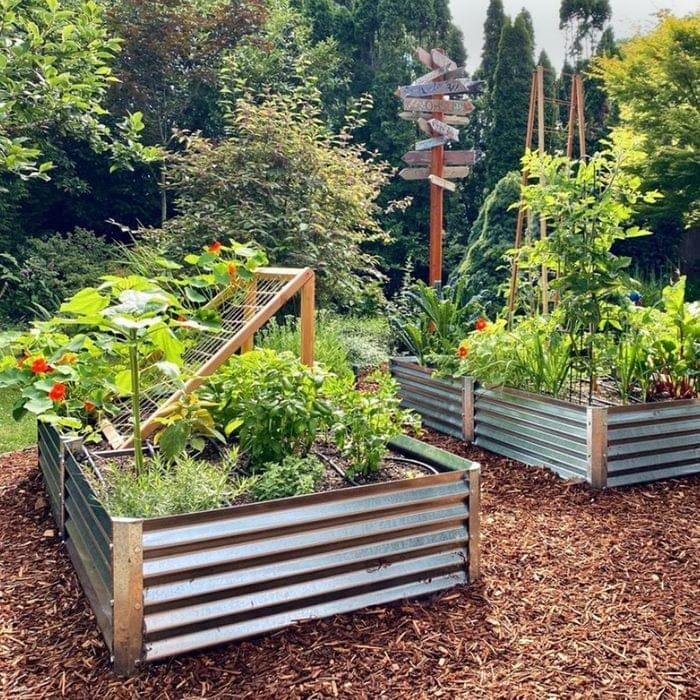
February in Australia is a stress test. It is the peak of the heat, a time when our local systems are pushed to their limits by soaring temperatures and parched soils. But for those of us building a Resilience Operating System (ROS), February isn't just about surviving the glare; it’s the strategic bridge to our autumn security.
Think of your garden as a biological manufacturing plant. If you wait until the weather cools to start your autumn crops, you’ve already missed the production window. You become dependent on the supermarket’s fragile just-in-time supply chain precisely when prices traditionally spike. Planning now isn't just a gardening tip; it's a hedge against the Dependency Trap.
By starting your autumn seedlings in the shade of the February heat, you are front-loading your resilience. You are ensuring that when the first rains of April arrive, your household already has established, high-performing assets ready to hit the ground running.
Why Start Thinking About Autumn Now?
As kids head back to school, we parents often find a bit more time for planning and projects. Thinking ahead to your autumn garden now allows you to:
Get a Head Start: Starting seeds or preparing beds now gives your autumn crops a crucial head start before the weather cools down significantly.
Avoid the Rush: Beat the autumn rush with local suppliers by planning your purchases and potentially starting your own seedlings.
Maximise Your Harvest: With careful planning, you can enjoy a continuous supply of fresh produce throughout autumn and into winter.
Save Money: Growing your own food is a great way to reduce your grocery bills and enjoy fresh, healthy produce.
Key Gardening Jobs for February:
Seed Starting (for Autumn Harvest): Start seeds indoors or in a protected area for cool-season crops like:
Brassicas: Broccoli, cauliflower, cabbage, brussels sprouts, kale.
Leafy Greens: Lettuce, spinach, rocket, endive, kale.
Root Vegetables: Carrots, beetroot, turnips.
Onions and Leeks: These need a long growing season, so starting them now is ideal.
Prepare Garden Beds: Clear existing beds of spent summer crops by cutting the tops (leave the roots to compost in place). Add compost and well-rotted manure to improve soil fertility and structure. This is a great time to implement or top up no-dig beds.
Weed Control: Stay vigilant with weeding. A weeds job is to cover the soil, especially important during hot weather, so take control and cover it with plant life or mulch.
Watering Wisely: Continue deep watering, focusing on the root zone of plants. Water early in the morning or late in the evening to minimise evaporation. If you are getting summer storms, you can reduce the water supply to suit your needs.
Mulching: Maintain a thick layer of mulch (7-10cm) to retain moisture, suppress weeds, and regulate soil temperature.
Pest and Disease Monitoring: Keep an eye out for pests and diseases, especially in humid conditions. Take action early to prevent infestations from spreading.
Indoor Gardening Tasks:
Seed Saving: Collect and store seeds from your successful summer crops for future planting.
Plan Your Autumn Garden: Research varieties suitable for your area and create a planting schedule.
Tool Maintenance: Clean, sharpen, and oil your gardening tools to keep them in good condition.
The ROI of the Pivot
The work you do in the heat of February pays a 100% tax-free dividend in May and June. Every broccoli head you harvest from your own patch is a direct withdrawal from your Resilient Wealth, money that stays in your pocket instead of being funnelled into the corporate supermarket duopoly.
More importantly, this forward-thinking reduces the mental load. When you have a plan and a seed tray full of potential, the external unravelling of the world feels much further away. You aren't just reacting to the heat; you are strategically managing a transition.
If you’re feeling overwhelmed by the planning process or aren't sure which varieties will survive the Freo Doctor or the southern frosts, don't go it alone. Join us in The Resilience Village.
We are currently a community of over 450 families sharing regional-specific planting data, swapping seeds, and supporting each other through the personal tsunamis that life throws our way. Resilience is a team sport, and your seat at the table is waiting. Grab your hat. We’ve got work to do.
To understand why your backyard is the ultimate hedge against inflation, read my Intel Report on The Shadow of Inflation.