How to Create Food Security For Your Family
How to Start Your Journey to Food Security Today?
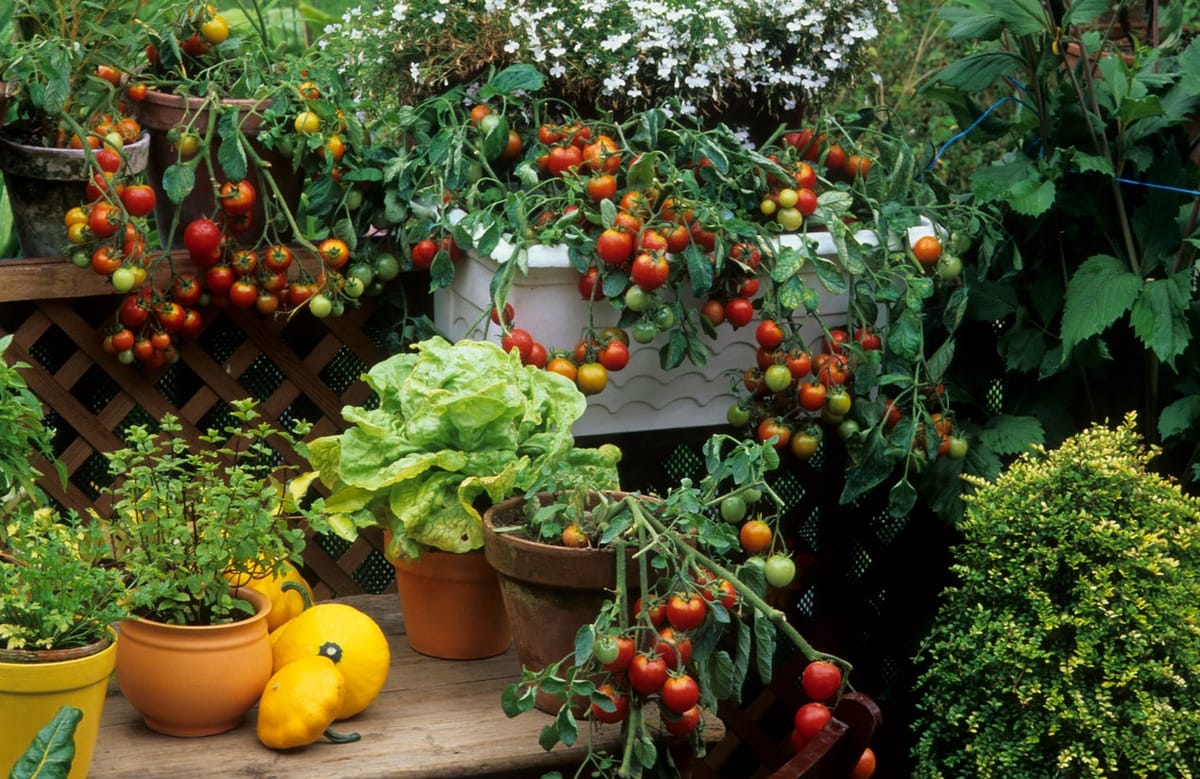
Grow Some Peace of Mind: Starting Your Journey to Food Security
Grocery bills are on the rise and supply chain issues are giving people serious anxiety. In these facts, you're not alone. It seems the whole world is waking up to what an extraordinary and diabolical situation we are in. But instead of feeling powerless, let’s take control and explore ways to grow some of your own food. Even a small patch can make a big difference, boosting your food security and offering a sense of accomplishment (and delicious rewards!).
The good news? You don't need a sprawling farm or a hefty budget to get started. Here are some real, achievable steps to take your first bite out of food self-sufficiency:
Start Small, Dream Big:
Don't be intimidated by visions of vast vegetable gardens you have seen on social media. Begin with a manageable space, even a sunny corner of your yard or a few pots by a window. Think "micro-gardening" for tiny spaces – herbs like basil, parsley, and chives thrive in containers and add freshness to any dish. Create seed raising pots from this containers your meat comes in at the grocery store. Go to the tip or a community garden a scrounge up some larger pots and put in a stone fruit seed. The point is, just start small.
Utilise What You Have:
Before investing in fancy equipment, look around! Repurpose old buckets, colanders, or even worn-out chest freezers as planters. Creatively use a sunny windowsill as a mini greenhouse for starting seedlings. Grab an esky from the chemist (they always throw them out) and make a mini-wicking bed. Get creative and resourceful!
Free Seeds and Seed Sharing:
Libraries often offer free seed packets, local governments may offer free trees and local gardening communities frequently host seed swaps. Facebook also has a variety of plant and seed swap groups for your local area. Search words like “swap”, “buy nothing”, “self sufficient” then click on Groups, and a list of them near you will appear. Take advantage of these resources to find varieties suited to your climate and preferences.
Low-Maintenance Crops:
Focus on "easy wins" like leafy greens (spinach, kale, lettuce), herbs, and cherry tomatoes. These plants grow quickly, require minimal care, and provide a steady harvest throughout the season. Also remember to grow what you eat! There is no point growing zucchinis if you hate them.
Embrace the Season:
Plant what thrives in your climate during the current season. Winter might be ideal for leafy greens and root vegetables in some areas, while others might enjoy a late-season tomato harvest. Research what grows best in your zone to maximise your success. Observe what is growing in your neighbourhood, if you see green leafy things, or blooms appearing it might be a sign it’s a great time to plant.
Water Wisely:
Group plants with similar water needs together. Utilise mulch to retain moisture and reduce evaporation. Consider rainwater harvesting to create a free and sustainable watering system. IBC water towers for example are a great low-cost way to capture and disperse water. Finally, don’t over water. If you have good soil and mulch you don’t need to water daily.
Get Your Hands Dirty (But Not Too Dirty!):
There's a misconception that gardening requires hours of backbreaking labour. Start with short bursts of activity, focusing on tasks like weeding and watering for 15-20 minutes each day. You'll be surprised at what you can accomplish in bite-sized sessions. Make sure whatever you are growing is close to where you walk everyday (so it’s not forgotten) and break up the tasks.
Join the Community:
Connect with fellow food enthusiasts! Online forums, local gardening clubs, and community gardens offer a wealth of knowledge, support, and inspiration. Learn from others and share your own experiences. For example, at least once a month I host workshops on all sorts of topics in sustainable living, gardening and self-sufficiency. Check out your local what’s on pages and get involved.
Celebrate Every Success!:
Growing your own food is a rewarding journey, filled with learning and celebration. Savour that first homegrown tomato, relish the fresh taste of your herbs, and share the bounty with your loved ones.
Remember, food security isn't just about complete self-sufficiency. Even a small vegetable patch or a windowsill herb garden contributes to a more secure and sustainable food future for you and your family. So, take that first step today, plant a seed, and watch your food security and peace of mind blossom alongside your delicious homegrown harvest!