More Than Free: Why the Gift Economy Might Be What You’re Missing
Why the Gift Economy Might Be What You’re Missing. A guide to living in collaboration with your community and be self-sufficient too.
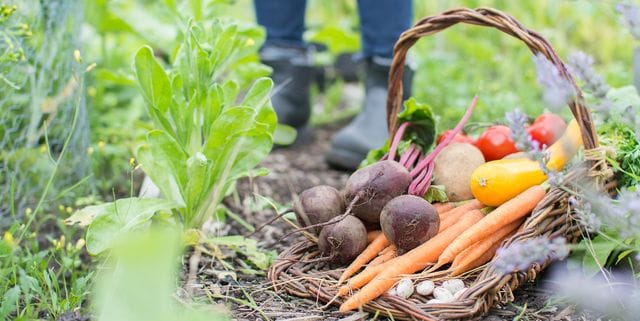
How to move towards a more collaborative and sustainable way of living
Remember the excitement of a neighbour offering up an abundance of fruit from their trees they were going to throw out? Or the joy of bartering a jar of home made jam for a basket of freshly picked figs? Perhaps it was your parent or grandparents who participated in these wonderful exchanges? These simple exchanges, rooted in the spirit of the gift economy and barter, hold a unique magic, one that seems to be fading in our increasingly digitised and monetised world. So why do we, despite yearning for connection and community, find ourselves hesitant to embrace these alternative systems? Especially if they are met with radio silence or sceptical glances. Where's the catch? Can something really be for free?
Running free garden blitz’s and produce swaps for years, I've witnessed this first-hand. The same returning faces, the same hesitant newcomers, and the lingering air of "what do I have to give in return?" It's a stark contrast to the joy of genuine connection and the satisfaction of helping someone in need. But what fuels this disconnect from the gift economy?
The answer, unfortunately, lies deep-rooted in our societal conditioning. We're bombarded with messages that equate value with monetary worth. Our education systems emphasise financial literacy, and our careers are measured in dollars and cents. This constant focus on "getting" instead of "giving" creates a mental barrier, making it difficult to break free from the traditional transaction model.
But there's more to it than just conditioning. Fear and uncertainty often play a significant role. Newcomers to the gift economy might worry about being taken advantage of, feeling obligated to reciprocate in ways they can't, or simply not understanding the unwritten rules of these systems. This lack of trust and clear guidelines can be daunting, especially in a society that often prioritises self-reliance over interdependence (which is why I get frustrated with the term self-sufficiency, but that’s another topic).
But what if I told you that the gift economy and barter systems offer more than just free stuff? What if they hold the key to building stronger communities, fostering trust, and embracing a more sustainable way of living?
So, how do we bridge this gap and rediscover the magic of the gift economy and barter? Firstly, remember, it's a journey, not a destination. Start small, dip your toes in the water. Offer to help a neighbour with a task, share your excess garden produce, or participate in a local skills exchange. Many communities now have Repair Cafe’s, Men’s Shed's and more. You'll be surprised at the positive response and the sense of satisfaction it brings.
Secondly, shift your mindset. Instead of focusing on what you might "get" in return, focus on the joy of giving. Understanding the true value of these systems, that it's not just about saving money or acquiring goods; it's about building community, fostering connection, and nurturing a sense of belonging. It's about recognising that giving and receiving are not transactional acts, but expressions of generosity, trust, and mutual respect.
Think of it like this: when you offer your freshly baked bread at a swap, you're not just giving away food; you're sharing a part of yourself, your skills, and your time. In return, you receive not just a jar of jam, but a connection with another human being, a story, and a sense of belonging to something larger than yourself.
Breaking Down the Barriers: Stepping into the Gift Economy
But how do we overcome the practical hurdles? We need to create safe and supportive spaces where people can learn and connect. Facebook groups like "Buy Nothing: Barter & Gift Economy" or local swaps can offer a starting point, but if you are new, they often lack the personal touch and guidance. Seek out resources and communities (such as your local community garden) that can guide you. Local educators run workshops. For example, I run a live events offering practical tips and strategies for transitioning towards a more sustainable and community-driven lifestyle. Remember, you're not alone in this!
Embracing Abundance: A Gift to Ourselves and Our Planet
The gift economy and barter systems are more than just quirky alternatives to traditional transactions. They represent a shift in consciousness, a move towards a more collaborative and sustainable way of living. When we share resources, skills, and knowledge, we build resilience, reduce waste, and foster a sense of community. It's not about abandoning all monetary exchange, but about reclaiming the inherent value of sharing and building networks of support that benefit everyone.
So, are you ready to step beyond the price tag and explore the abundance that lies within the gift economy? Remember, the true rewards lie in a system that values connection over coin. So, what will you offer to your community today? What story will your gift tell?