The Best Kale to Grow in a Mediterranean Climate
How To Grow Kale. Top 3 Kale Plants To Grow Mediterranean Climate.
What vegetables to grow in winter?
The first frost of the season had painted the dawn a crisp blue, turning the veggie patch into a shimmering sea of silver. I huddled deeper into my coat as I step out to meet the days jobs, my breath puffing white against the chill. But a different kind of heat bloomed in my chest as I reached the edge of the garden. There, nestled among the sturdy cabbages and spinach, stood my kale, its leaves unfurling like emerald banners against the sky. This wasn't just a hopeful patch of green – it was a testament to the dream that had brought me to this particular patch of land here in the south west, a dream of self-sufficiency, of nurturing life from the earth. And in that moment, I knew the journey had just begun.
But for those new to the homesteading path, the world of growing your own food can be daunting. So, let's shed some light on one of the most reliable and versatile crops - kale! Forget the plastic-wrapped bunches in the supermarket, it tastes like rubber and has low nutritional value – the kale we'll talk about basks in sunshine, its veins pulsing with the rhythm of the seasons. In Australia, your kale options are as diverse as the landscape itself, but for the beginner, three stand out like beacons in the garden:
Curly Kale: The granddaddy of them all, this classic kale boasts ruffled leaves that pack a powerful punch of flavour. It's cold-hardy, thrives in cool climates, and its curly texture adds a delightful crunch to salads and smoothies. My fave!
Red Russian Kale: This beauty lives up to its name, with deep purple veins dancing across its broad, flat leaves. It's a bit milder than its curly cousin, offering a touch of sweetness that shines in stir-fries and soups. Plus, it's a feast for the eyes, adding a pop of colour to any garden.
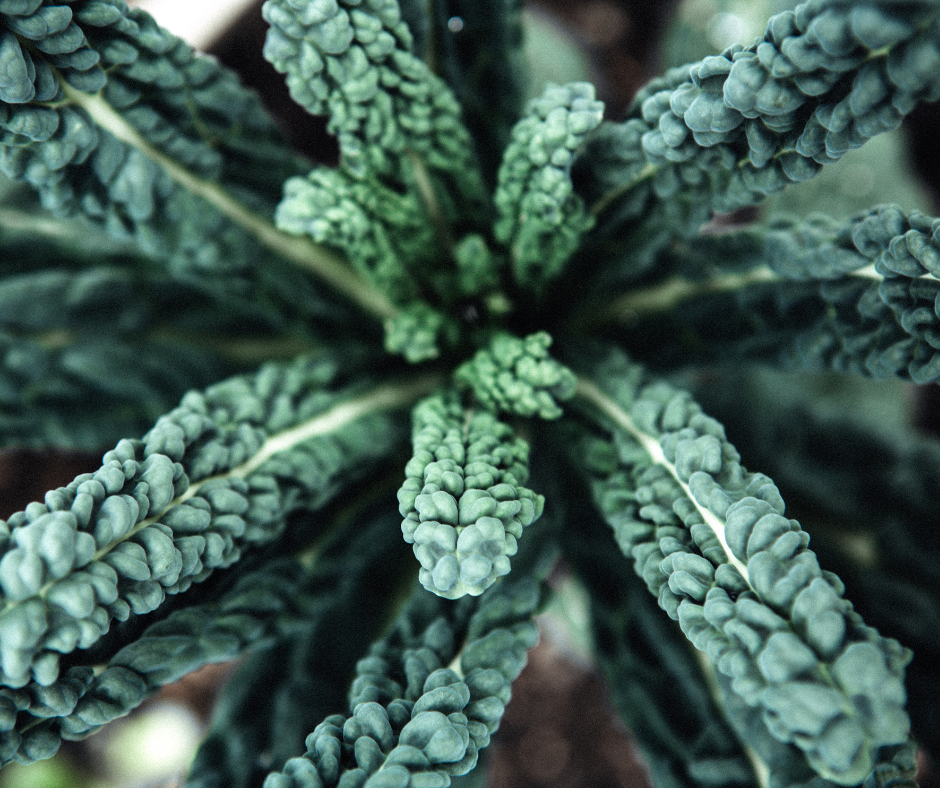
Lacinato Kale: Also known as dinosaur kale, this variety lives up to its prehistoric moniker with long, narrow leaves that resemble prehistoric fronds. It's incredibly tender and sweet, perfect for eating raw or lightly sautéed, and its sleek form provides a welcome contrast to the garden's more rounded residents.
Each kale brings its own unique personal flavour to the table, and choosing the right one is a matter of taste and use. And remember, fellow self-sufficiency seekers, you're not alone on this journey. Educators like Susanne Peet offers a wealth of knowledge and support, from seed selection to harvest tips, ensuring your kale patch thrives. Their courses, workshops, and vibrant community can be your guiding light, helping you navigate the joys and challenges of growing your own food.
So, step out into the garden, feel the sun on your skin and the earth beneath your toes (yes toes!). Plant your first kale seed, watch it sprout, and nurture it with care. Soon, you'll be rewarded with leaves that whisper tales of self-sufficiency, of the sweet satisfaction of growing your own food, and the quiet joy of a harvest kissed by the morning frost. Now, isn't it time to plant your own kale story?