How To Harvest and Store Potatoes: Homestead Style
Learn how to harvest and store potatoes in this beginner’s guide to self-sufficiency.
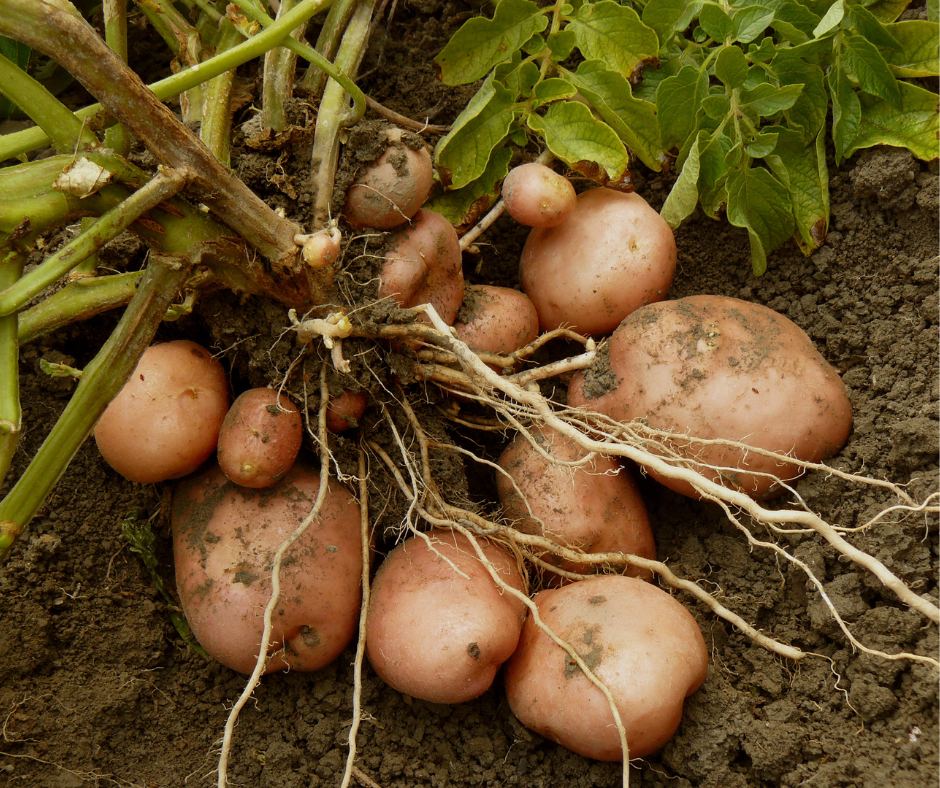
How to store potatoes all year without any rot
Remember the Great Spud Shortage of '22? Well, no, you don't, because you’re probably a Millenial or Gen Z madly searching for how to survive the coming apocalypse! Well, this is what happened: supermarket shelves gaped like startled chooks, chip trucks lined up for k’s, and people were on rations. It sounds a bit like pandemic times when my dreams and hopes for a second pack of dunny paper turned as hollow as a grub-eaten potato. That's when I realised – self-sufficiency wasn't just a hobby; it was a lifeline. And the humble spud? Well, it became my knight in shining armour, a delicious beacon of independence sprouting out of my own backyard.
But growing potatoes is one thing, harvesting and storing them is another. You spend months nurturing those knobby beauties, and one wrong move can turn them from fluffy gold to mushy brown. No worries, fellow self-sufficiency seekers; I've learned the hard way, so you don't have to! Here's the lowdown on harvesting and storing spuds like a pro:
When to Dig (It Up, Not Yourself): Patience, mate, patience. Wait until the tops of your plants start to yellow and die back naturally. This usually happens about 10-14 weeks after planting, depending on the variety. Early harvesting leads to sad, unripe spuds that won't store well. Remember, good things come to those who wait...and water their potatoes regularly.
Digging for Treasure: Grab your fork (not the fancy silver kind, the garden kind) and gently loosen the soil around the base of the plant. Don't be a root ripper! Carefully lift the plant and sift through the soil to uncover your buried bounty. Remember, those spuds are delicate, so treat them like baby chooks, not footys. I also like to use a long skinny trowel if we don’t have a fork handy.
Curing for Maximum Spud-tacularness: This step is like a spa day for your potatoes. Find a cool, dark, well-ventilated spot (your shed can be a surprisingly good spud spa) and spread them out in a single layer. Leave them for a week or two to dry out and the skin to "cure," forming a protective barrier against disease and rot. Remember, moisture is the enemy, so don’t be a goose and wash them before this step! I love rectangular wooden crates or old bread crates.
Stashing Your Spud Booty: Now comes the real test – long-term storage. Find a cool, dark spot (around 10°C is ideal) with good air circulation, like a well-ventilated pantry or garage. Keep them away from light, heat, and moisture – think the opposite of a beach holiday. Avoid plastic bags, they suffocate those spuds and make them sweatier than the underside of your mums boobs in summer! Invest in some breathable mesh bags or open baskets to keep them happy.
The Golden Spud Commandments:
Don't bruise or damage your potatoes during harvest – those wounds become entry points for rot.
Don't wash your potatoes before storing – the extra moisture can encourage spoilage.
Check your stash regularly and remove any spuds that show signs of rot or sprouting. It's better to lose one than the whole bag!
Don’t store your spuds with onions and garlic. I know they both love being alone in dark places, like your teenager, but this is the time to enforce the rules and keep them apart.
There you have it, folks! With a little patience and these handy tips, you'll be harvesting and storing potatoes like a seasoned spud whisperer. Remember, the journey to self-sufficiency is paved with learning, and people like Susanne Peet offer a wealth of courses, workshops, and a supportive community to help you navigate every step of the way. So, grab your fork, get digging, and discover the joy of homegrown potatoes! Now, which recipe will you conquer first?