How To Make Kombucha and How To Use a SCOBY
How to Make a Kombucha and Use a SCOBY
Brewing Kombucha from a SCOBY: A Beginner's Guide to Making Kombucha
Summer in Australia – it's hot, it's sweaty, and you need something refreshing that isn't loaded with sugar. Enter kombucha: a fermented tea drink that's not only delicious but also good for your gut. Making your own at home is easier than you think. You just need a SCOBY (Symbiotic Culture Of Bacteria and Yeast), a few basic ingredients, and a little patience.
What is a SCOBY?
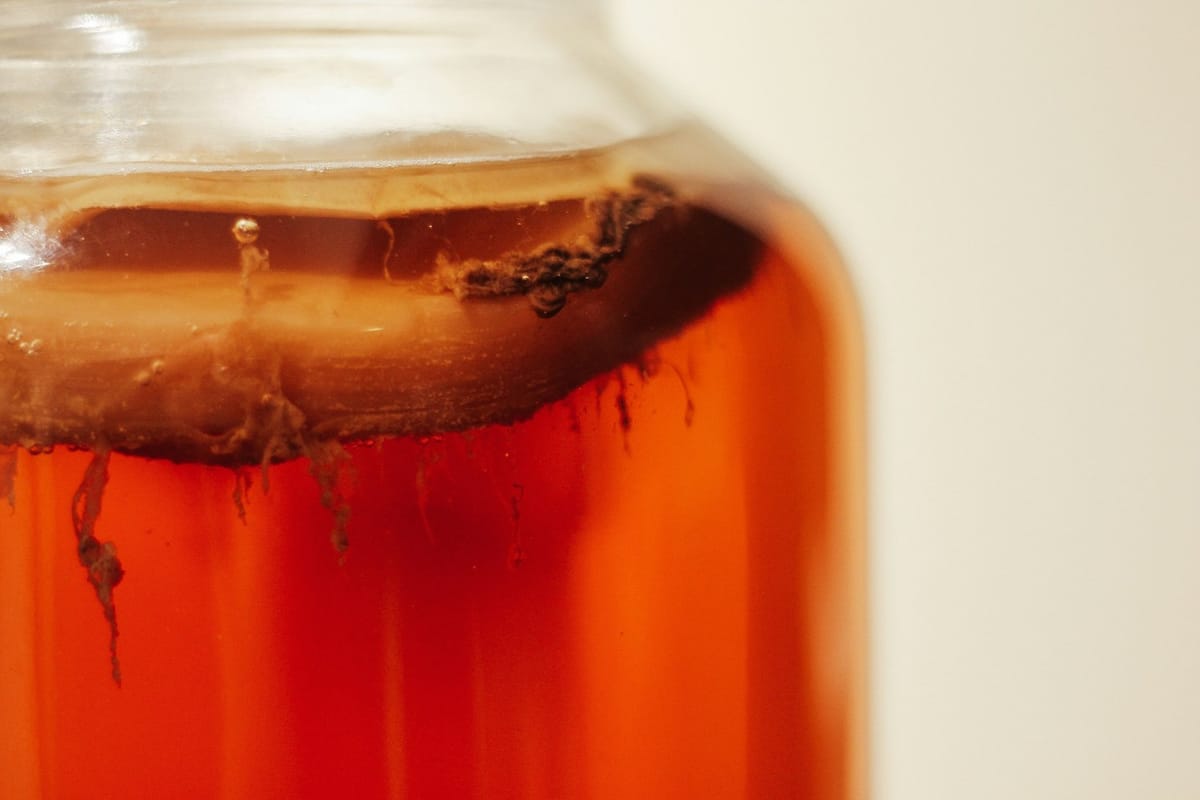
A SCOBY is the magic ingredient in kombucha. It's a rubbery, pancake-like disc that houses the bacteria and yeast responsible for fermentation. Think of it as the "mother" of your kombucha. It feeds on the sweet tea, converting it into a tangy, slightly fizzy drink. You can get a SCOBY from a friend who brews kombucha, buy one online, or even grow your own (more on that later).
What You'll Need:
SCOBY and starter liquid: You'll need a healthy SCOBY and about 200ml of starter liquid (strong, unflavoured kombucha from a previous batch).
Sweet tea: Brewed black or green tea sweetened with white sugar. Avoid flavoured teas or honey for your first few batches.
1 Litre glass jar: Wide-mouthed jars work best.
Breathable cloth cover: Muslin cloth, cheesecloth, or a clean tea towel.
Rubber band: To secure the cloth cover.
How To Brew Kombucha:
Brew the sweet tea: Boil 1 litre of filtered water. Add 2 teaspoons of loose leaf tea (or 2 tea bags but aim for loose leaf) of black or green tea. Steep for 10-15 minutes. Remove the tea bags or leaves.
Dissolve the sugar: Add 100g of white sugar to the hot tea and stir until completely dissolved. Let the tea cool to lukewarm. This is important! Hot temperatures will kill your SCOBY.
Combine ingredients: Pour the cooled sweet tea into your glass jar. Add the starter liquid. Gently place the SCOBY on top of the tea.
Cover and ferment: Cover the jar with your breathable cloth and secure it with a rubber band. This allows air to flow but keeps out fruit flies and other nasties.
Wait and watch: Place the jar in a dark, room-temperature location (around 20-25°C is ideal). Fermentation time varies depending on the temperature, but it generally takes 7-30 days. I keep mine under the kitchen sink.
Taste test: After 7 days, start tasting your kombucha. Use a clean, bamboo straw to carefully take a small sample. It should taste slightly sweet and tart. The longer it ferments, the more tart it will become.
Bottle and flavour (optional): Once your kombucha reaches your desired tartness, remove the SCOBY and 200ml of starter liquid for your next batch. Pour the remaining kombucha into airtight bottles (flip-top bottles work well). You can add fruit, herbs, or spices for a second fermentation to create different flavours.
Kombucha Flavouring Ideas (Second Fermentation):
Ginger and lemon: A classic combination.
Strawberry and basil: A refreshing summer blend.
Mango and chilli: A tropical twist with a kick.
Native Australian flavours: Lemon myrtle, finger lime, or rosella.
How To Grow A SCOBY (If You Don't Have One):
If you can't get a SCOBY from a friend or store, you can grow your own using store-bought, unflavoured kombucha. Simply pour a bottle of unflavoured kombucha into a jar, cover it with a cloth, and let it sit at room temperature for a few weeks. A new SCOBY will eventually form on the surface.
Troubleshooting:
Mould: If you see fuzzy mould (not the stringy bits of yeast, which are normal), discard everything and start again with a fresh SCOBY. Fuzz = foe!
Fruit flies: Make sure your cloth cover is tightly secured to prevent fruit flies from getting into your kombucha.
Slow fermentation: If your kombucha isn't fermenting quickly enough, the temperature might be too low. Try moving it to a slightly warmer location but not in direct sun.
Important Notes:
Use clean equipment to prevent contamination.
Avoid using metal utensils or containers, as they can react with the acidity of the kombucha.
Kombucha contains small amounts of alcohol due to the fermentation process.
Making kombucha is a fun and rewarding way to create a healthy and refreshing drink at home. It's a great project for a hot Aussie summer, providing a delicious and gut-friendly alternative to sugary drinks. So, give it a go and enjoy the bubbly goodness!