Quick Pickles: Turning Leftovers into Pantry Gold (and Saving Money!)
Basic Pickling Recipe For Beginners
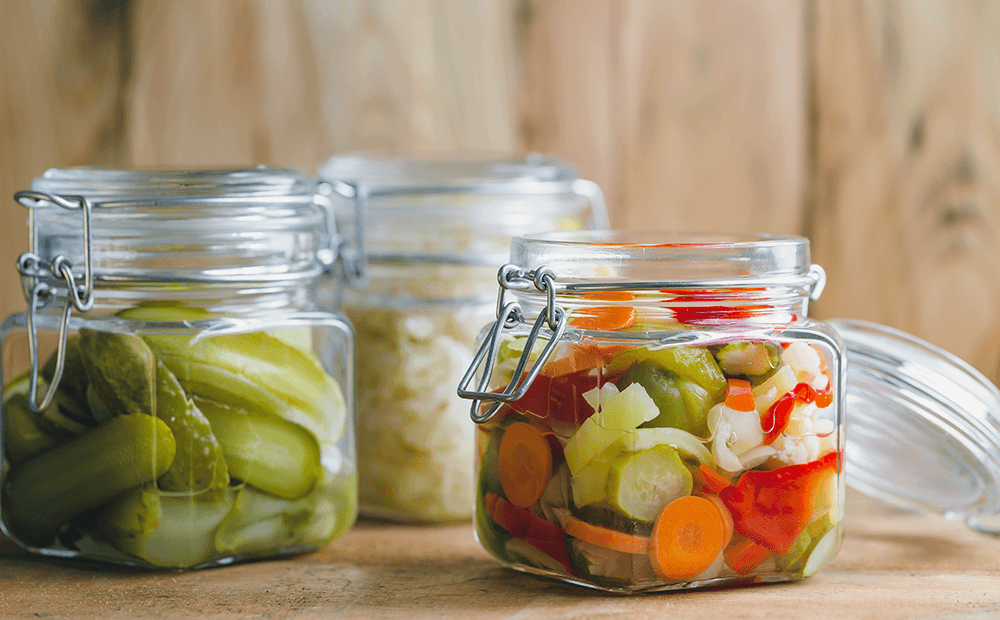
How To Pickle Vegetables: Including Basic Recipe
Let's face it: we all have those moments. You open the fridge, and there's that half-cucumber, a lonely capsicum, and a few carrots looking a little less than fresh. Instead of letting them sit there for another week before tossing them in the compost, why not turn them into delicious, tangy pickles? Pickling is a fantastic way to reduce food waste, save money, and add a burst of flavour to your meals. And it's surprisingly easy! Did you know that most Aussie families throw away $50 worth of fresh food a week! This tip could save you.
The Basic Pickling 3, 2, 1 Brine:
At the heart of any good pickle is the brine. And for me, a simple, reliable brine, the 3, 2, 1 principle is your best friend:
3 parts apple cider vinegar: This gives your pickles that signature tang.
2 parts water: Dilutes the vinegar and balances the flavour.
1 part salt: Essential for preserving the vegetables and enhancing their taste.
This basic brine is incredibly versatile. You can customise it with a variety of spices and herbs to create unique flavour combinations.
How To Add Flavour To A Pickle Brine:
Think of pickling as a blank canvas for your culinary creativity. Want a classic dill pickle? Add a generous handful of fresh dill and a few cloves of garlic. Craving a bit of heat? Throw in some sliced chilli peppers. Here are a few ideas to get you started:
Mustard seeds: Add a subtle peppery bite.
Garlic: Infuses the pickles with a pungent, savoury flavour.
Dill: Creates a classic, refreshing pickle.
Chilli: Adds a fiery kick.
Bay leaves: Lend a subtle, aromatic note.
Peppercorns: Provide a peppery warmth.
Texture Matters!
When pickling, consider the texture of your vegetables. Some, like cucumbers and capsicum, have a similar softness. Others, like carrots and cauliflower, are firmer. Consider this when placing a variety of veg together in one jar.
Cucumbers and Capsicum: These absorb the brine quickly, so they’ll soften faster. If you want a crisp pickle, don’t leave them in the brine for too long before consuming or follow the tip below.
Carrots and Cauliflower: These need a bit more time to soften. If you prefer a softer pickle, blanch them briefly in boiling water before adding them to the brine.
To avoid the "squishiness” that puts some people off making or eating pickled things, you can also add a grape leaf, oak leaf, or black tea bag to your pickling jar. These contain tannins which can help keep the vegetables firm.
Weekly Pantry Audits: Your Secret Weapon Against Waste:
Make a habit of doing a weekly pantry audit. At the end of each week, take a look at your fresh vegetables. Anything that’s starting to wilt or look a little tired? Pickle it! It's a quick and easy way to extend the life of your produce and reduce food waste. Plus you’ll save money as you’re not throwing out food you’ve spent your hard earned money buying or time growing.
Pickling: A Time-Saving Skill:
Don't think pickling has to be a complicated, time-consuming process. You can whip up a batch of quick pickles in less than 30 minutes. It’s a fantastic homesteading skill for busy people, especially when small batching.
Simple Pickle Recipe:
Ingredients:
3 cups apple cider vinegar
2 cups water
1 cup salt
1 cucumber, sliced
1 capsicum, sliced
2 cloves garlic, minced
1 tablespoon dill seeds
1 teaspoon mustard seeds
1/2 teaspoon chilli flakes (optional)
Instructions:
Prepare the Brine: In a saucepan, combine the apple cider vinegar, water, and salt. Heat over medium heat until the salt dissolves. Remove from heat and let it cool slightly.
Prepare the Vegetables: Wash and slice your cucumber and capsicum. Peel and mince the garlic.
Pack the Jars: Place the sliced cucumber, capsicum, minced garlic, dill seeds, mustard seeds, and chilli flakes (if using) into clean jars.
Pour the Brine: Pour the cooled brine over the vegetables, ensuring they are completely submerged.
Seal and Refrigerate: Seal the jars tightly and sit on the bench for at least 24 hours and transfer to the fridge. The longer they sit, the more flavour they will develop. How pickly do you like your pickle?
Join The Resilience Village:
Want to learn more about pickling, preserving, and other practical skills? Join The Resilience Village community! It’s a place to meet, connect, and grow with real people learning to create a more resilient life, one skill at a time. Share your pickling experiments, ask questions, and learn from others’ experiences. You’ll find a supportive community ready to help you on your self-sufficiency journey. Click here to get started.