
How to Start a Self-Sufficient Lifestyle in 2025
Why We Need Resilient Living and Self-Sufficiency Skills in the Coming Decade
In 2020, I remember surveying my backyard – a wild mix of native grasses, clucking chickens, and a makeshift veggie patch with a kangaroo-proof (mostly) fence. It wasn't the picture-perfect homestead, but it was mine. I'd ditched the Instagram-worthy ideal for the messy, muddy reality of starting small, starting cheap, and starting now. And honestly? It’s been more rewarding than any filtered photo.
We need resilient living and self-sufficiency skills now more than ever. It's not about living off-grid in the wilderness (unless that's your jam!). It's about understanding where our resources come from, how to use them wisely, and how to lessen our dependence on complex systems that can be disrupted. It is also about preparing for the future. I am writing a book about this very thing for release in 2025.
<img src="https://images.squarespace-cdn.com/content/v1/659ff6b5bb2345083f836033/1705211864307-KQCWMVP09GNU864RZV0P/image-asset.jpeg?format=original" alt>
What is Self-Sufficiency, Really?
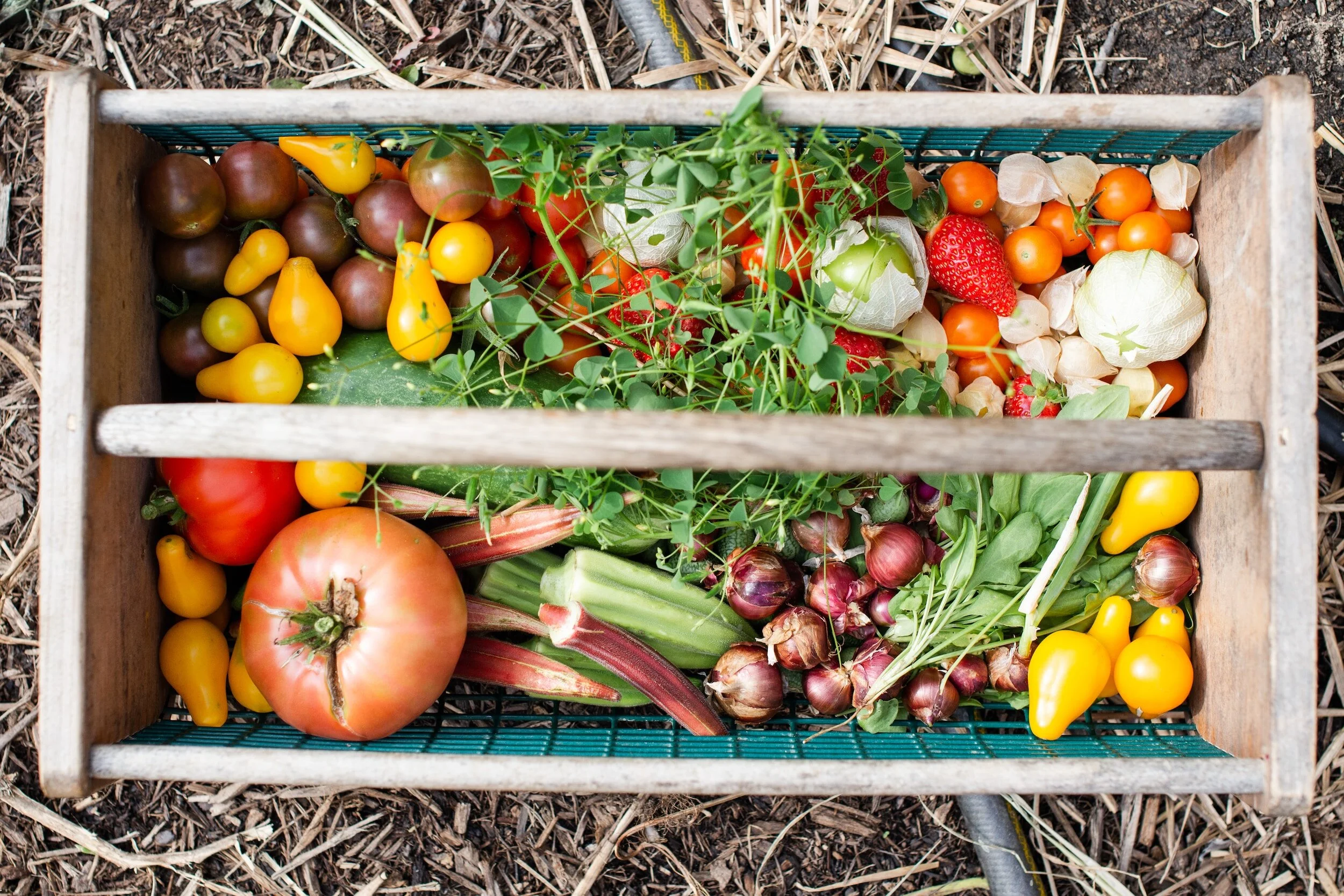
Self-sufficiency isn't about perfectly posed mason jars. It's about knowing what you can—and can't—live with. It's about tracing the inputs and outputs of your lifestyle. It’s about getting your hands dirty and carving out a life less reliant on mass production. Think repurposing old clothes into garden planters, swapping eggs for honey with a neighbour, and celebrating every homegrown tomato. It's learning, adapting, and living in rhythm with nature, one small step at a time. It may not always feel like you are doing the right thing, especially with the constant messages from mass media, but the satisfaction of homegrown food, a resourceful lifestyle, and a thriving backyard – that's the real win.
How to Start Living More Self-Sufficiently
You don't need a massive farm or a winning lotto ticket. Start where you are, with what you have. Here are five practical steps:
Repurpose and Reimagine: That old bathtub? Perfect for rainwater harvesting or a worm farm. Those food tins? Herb planters or, with some handy work, larger ones can be an in-ground compost bin. Look around your garage, shed, tip shop, or recycling centre. You’ll be surprised by the hidden potential.
Resourcefulness: Barter with neighbours. Swap herbs for eggs, seedlings for jam. Community gardens are goldmines for finding like-minded people. Self-sufficiency thrives on community, not isolation.
Recycle, Reimagine, Recharge: Before you bin something, think about its other uses. Coffee grounds become compost. Kitchen scraps feed chooks or worms. Banana peels? Furniture polish or fertiliser! It’s permaculture at its simplest.
Learn and Grow: You don't need a degree to start. Libraries have books (even digital ones!). YouTube and TikTok offer tutorials. Here at Eight Acres Permaculture, I provide courses, workshops, and resources. Learning fuels your self-sufficiency journey.
Small Steps, Big Impact: Don't try to do everything at once. Start with a single potted tomato plant, a compost bin, or a worm farm. Celebrate every small success. Self-sufficiency is a marathon, not a sprint.
Why is Building Resilience Important?
We live in a time of increasing uncertainty. Climate change, supply chain disruptions, and rising living costs are real challenges. Developing sufficiency skills builds resilience. It empowers us to take control of some aspects of our lives, reducing our reliance on external systems. It’s about building a more secure and sustainable future, for ourselves and the planet. This is the core message of my upcoming book, due for release in 2025.
Specific Examples for Western Australia:
Western Australia's diverse climate presents unique challenges and opportunities. Here are some examples:
Water Conservation: In WA's dry climate, water harvesting and efficient irrigation are essential. Use rainwater tanks, greywater systems (where permitted), and drought-tolerant plants.
Bushfire Preparedness: This is a serious concern in many parts of WA. Implement fire-wise landscaping practices, maintain firebreaks, and have a bushfire survival plan.
Utilising Native Plants: WA has a rich diversity of native plants adapted to local conditions. Incorporate them into your garden for low-maintenance, water-wise landscaping.
Plant Examples for WA Gardens:
Here are some examples of plants that do well in WA’s temperate climate, divided into categories to help you plan your food forest or garden. Remember to consider your specific microclimate within WA, as conditions can vary significantly from the Gascoyne to the South West.
Vegetables:
Tomatoes: ‘Roma’, ‘Grosse Lisse’, ‘Black Krim’
Peppers: ‘California Wonder’, ‘Jalapeno’, ‘Sweet Banana’
Eggplant: ‘Black Beauty’, ‘Long Purple’, ‘Listada de Gandia’
Zucchini: ‘Black Beauty’, ‘Golden Zucchini’, ‘Costata Romanesco’
Pumpkins: ‘Jarrahdale’, ‘Queensland Blue’, ‘Butternut’
Lettuce: ‘Cos’, ‘Butterhead’, ‘Oakleaf’
Spinach: ‘Baby Spinach’, ‘English Spinach’, ‘Perpetual Spinach’
Kale: ‘Tuscan Kale’, ‘Red Russian Kale’, ‘Curly Kale’
Carrots: ‘Nantes’, ‘Imperator’, ‘Chantenay’
Beetroot: ‘Detroit Dark Red’, ‘Cylindra’, ‘Golden Beet’
Radishes: ‘French Breakfast’, ‘Cherry Belle’, ‘Icicle’
Spring Onions: ‘White Lisbon’, ‘Red Bunching’, ‘Evergreen Hardy White’
Beans (Bush): ‘Contender’, ‘Blue Lake Bush’, ‘Provider’
Beans (Climbing): ‘Scarlet Runner’, ‘Kentucky Wonder’, ‘Purple King’
Peas: ‘Sugar Snap’, ‘Snow Pea’, ‘Green Arrow’
Cucumber: ‘Marketmore’, ‘Lebanese’, ‘Crystal Apple’
Rockmelon: ‘Hales Best’, ‘Cantaloupe’, ‘Honey Dew’
Watermelon: ‘Crimson Sweet’, ‘Sugar Baby’, ‘Charleston Gray’
Sweet Corn: ‘Golden Bantam’, ‘Silver Queen’, ‘Jubilee’
Potatoes: ‘Kennebec’, ‘Desiree’, ‘Sebago’
Herbs:
Basil: ‘Sweet Basil’, ‘Genovese Basil’, ‘Thai Basil’
Oregano: ‘Greek Oregano’, ‘Italian Oregano’, ‘Golden Oregano’
Thyme: ‘Common Thyme’, ‘Lemon Thyme’, ‘Creeping Thyme’
Rosemary: ‘Tuscan Blue’, ‘Prostratus’, ‘Gorizia’
Mint: ‘Peppermint’, ‘Spearmint’, ‘Chocolate Mint’
Parsley: ‘Curly Parsley’, ‘Italian Parsley’
Sage: ‘Common Sage’, ‘Purple Sage’, ‘Golden Sage’
Chives: ‘Common Chives’, ‘Garlic Chives’
Lemon Balm: ‘Citronella’, ‘Lemonella’
Coriander: ‘Slow Bolt’, ‘Santo’
Dill: ‘Long Island Mammoth’, ‘Bouquet’
Fennel: ‘Florence Fennel’, ‘Bronze Fennel’
Lavender: ‘Hidcote’, ‘Munstead’, ‘Grosso’
Bay Laurel: ‘Bay Tree’
Savory (Summer): ‘Summer Savory’
Savory (Winter): ‘Winter Savory’
Angelica: ‘Angelica Archangelica’
Borage: ‘Blue Borage’
Chamomile: ‘German Chamomile’, ‘Roman Chamomile’
Lovage: ‘Lovage’
Fruit and Nuts:
Olives: ‘Kalamata’, ‘Manzanillo’, ‘Frantoio’
Figs: ‘Brown Turkey’, ‘Black Genoa’, ‘White Adriatic’
Almonds: ‘Nonpareil’, ‘Mission’, ‘Texas’
Quince: ‘Smyrna’, ‘Pineapple Quince’, ‘Champion’
Pomegranate: ‘Wonderful’, ‘Granada’, ‘Red Silk’
Citrus (Oranges): ‘Valencia’, ‘Navel’, ‘Blood Orange’
Citrus (Lemons): ‘Eureka’, ‘Lisbon’, ‘Meyer’
Citrus (Mandarins): ‘Imperial’, ‘Ellendale’, ‘Honey Murcott’
Avocado: ‘Hass’, ‘Fuerte’, ‘Shepard’
Grape: ‘Thompson Seedless’, ‘Crimson Seedless’, ‘Cabernet Sauvignon’
Passionfruit: ‘Panama Red’, ‘Nellie Kelly’
Raspberry: ‘Chilliwack’, ‘Heritage’
Blackberry: ‘Thornless Evergreen’, ‘Boysenberry’
Blueberry: ‘Sunshine Blue’, ‘Brigitta’
Strawberry: ‘Red Gauntlet’, ‘Seascape’
Apple: ‘Gala’, ‘Pink Lady’, ‘Granny Smith’
Pear: ‘Packham’s Triumph’, ‘
So, there you have it – five Rs to kickstart your self-sufficient journey. Forget the picture-perfect dream, roll up your sleeves, get your hands dirty, and embrace the real beauty of growing your own food, building community, and living in harmony with the land. Now, go forth and conquer your backyard or balcony, one repurposed can at a time! Remember: start small, start with what you have and start today!
About the Author
I'm passionate about living with resilience and I love sharing my knowledge with others. I believe that everyone can make a difference in the world, no matter how small. I'm excited to be a part of the growing movement of people who are committed to living a more sustainable lifestyle.
I'm also the founder of Eight Acres Permaculture, and I’m a resilient living educator in Western Australia. At Eight Acres, I offer a variety of workshops and courses on topics such as permaculture, growing your own food, and homesteading skills. On our small farm, I grow our own food and raise animals.
I believe that education is key to creating a resilient lifestyle. By sharing my knowledge and experience, I hope to inspire others to make positive changes in their own lives.
Want to learn more about growing your own food and building a resilient lifestyle? Check out these featured articles and events!
DIY Natural Skincare Making Workshop
No Dig Gardening Australia Blog
Subscribe to our email newsletter for info on sustainable living, wherever you are. You can also follow us on Instagram, Facebook & TikTok (@eightacrespermaculture) and Pinterest (Eight Acres Permaculture) for updates.


