How To Make a Ginger Bug and Wild Soda Fermented Drink
Industrial soft drinks are a health and financial liability, dead liquids sold in plastic cages. A ginger bug is a biological asset: a wild yeast starter that creates naturally fizzy, probiotic drinks for cents. Reclaim your kitchen from corporate soda and build your gut health.
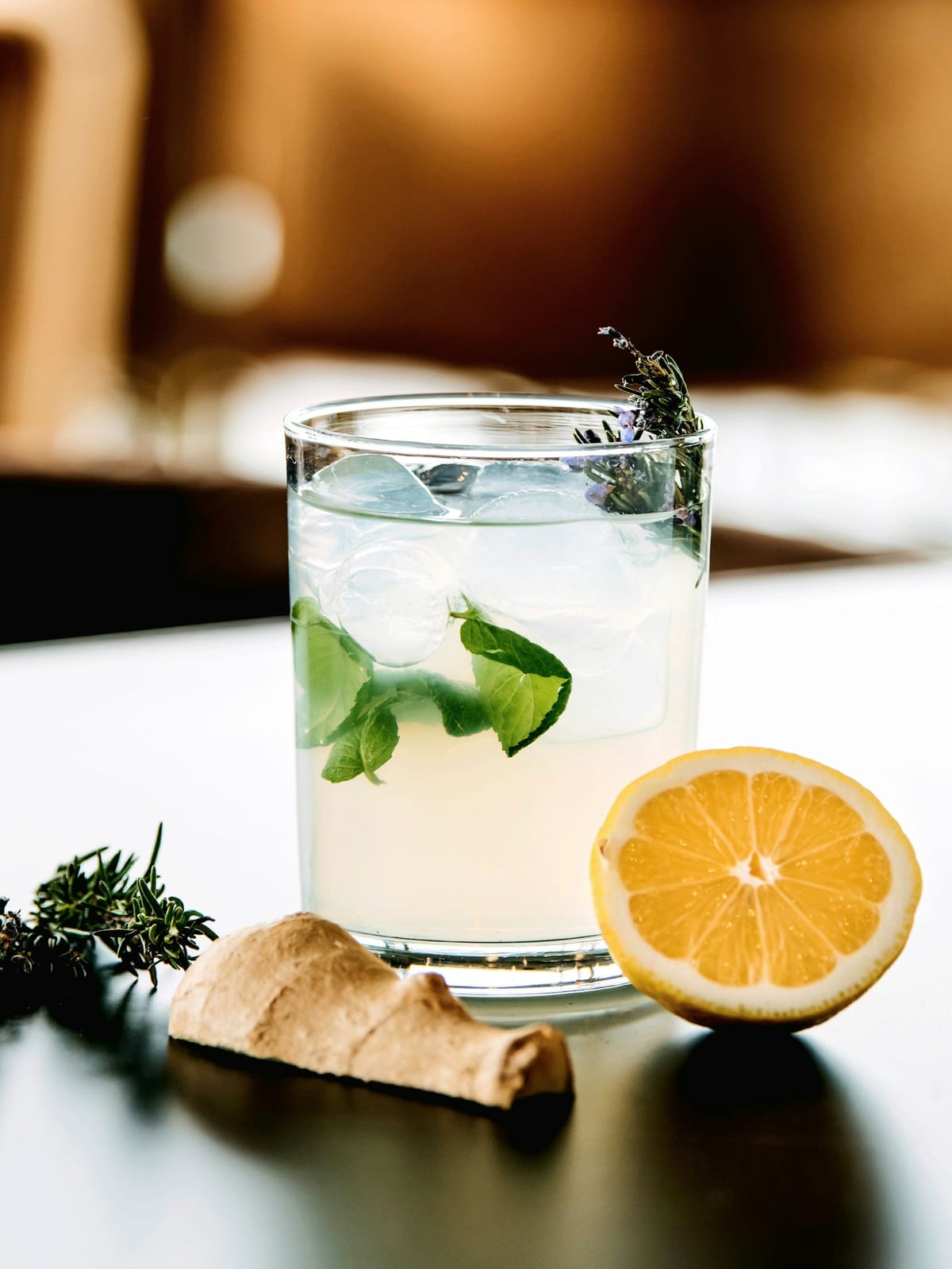
Creating and Using a Ginger Bug: A Guide for Wild Fermented Drinks
The supermarket soft drink aisle is one of the most visible Dependency Traps in modern Australia. We are conditioned to pay a premium for bottled liquids that are high in fructose, loaded with synthetic preservatives, and completely devoid of life. It is an expensive habit that feeds the corporate machine while depleting your biological health.
In my workshops across WA, I’ve seen the shift in people's eyes when they realise they can capture wild yeast from the air and transform a few knobs of ginger into a bubbling, probiotic powerhouse. This is more than just a recipe; it is a form of Biological Software. A ginger bug is a living starter culture that allows you to manufacture your own carbonated beverages for cents. In a world of systemic unravelling, providing your household with high-quality probiotics is a tactical move for long-term health and financial sovereignty.
What is a Ginger Bug?
A ginger bug is a fermented starter culture used to create naturally carbonated wild sodas. It’s a simple mixture of ginger, sugar, and water that ferments over several days. The bug refers to the wild yeasts and beneficial bacteria that thrive in this mixture, giving it its characteristic fizz and probiotic profile.
Why Make Your Own?
- Decouple from Corporate Logistics: Stop paying for the transport and plastic packaging of industrial soda.
- Biological Security: Improve your gut health with wild, local probiotics.
- Household ROI: You can create litres of high-quality beverage for the price of a single ginger root.
Why Make Your Own Ginger Bug?
There are many reasons to make your own ginger bug. First, it's a great way to reduce your reliance on store-bought drinks, which are often loaded with sugar and artificial ingredients. Second, it's a fun and rewarding project that can be done at home with minimal equipment. Kids love seeing this process and (generally) love drinking their creations. And third, it's a great way to add probiotics to your diet, which can have a number of health benefits.
How to Make a Ginger Bug
Making a ginger bug is easy, but it does require some patience. Here's what you'll need:
A glass jar
Filtered water
Fresh ginger, grated
Sugar (white or raw)
Instructions:
Grate about 1 tablespoon of fresh ginger and add it to the jar.
Add 1 tablespoon of sugar to the jar.
Pour 1 cup of filtered water into the jar.
Stir the mixture well.
Cover the jar with a cheesecloth or coffee filter and secure it with a rubber band.
Let the mixture sit at room temperature for 24 hours.
Repeat steps 1-6 for the next 5-7 days, or until the mixture is bubbly and has a pleasant, slightly sweet aroma.
How To Use A Ginger Bug
Once your ginger bug is bubbly and active, you can use it to make ginger ale. Here's what you'll need:
Ginger bug
Filtered water
Sugar
Fresh ginger, sliced
Lemon or lime juice (optional)
Instructions:
In a large saucepan, combine 1 cup of sugar and 1 cup of water.
Bring the mixture to a boil, then reduce heat and simmer for 5 minutes, or until the sugar is dissolved.
Remove the syrup from the heat and let it cool completely.
Once the syrup is cool, add 1/4 cup of ginger bug, 1/4 cup of sliced ginger, and 1/4 cup of lemon or lime juice (if using).
Pour the mixture into a 1 litre glass jar.
Add enough filtered water to fill the jar.
Stir the mixture well.
Cover the jar with a lid and let it sit at room temperature for 2-3 days, or until it is bubbly and has a pleasant, slightly sweet aroma.
Once the ginger ale is carbonated to your liking, you can strain it and enjoy!
Tips for Success
- Water Quality: Use filtered water. Fluoride and chlorine are designed to kill "bugs"—including the beneficial ones you are trying to grow.
- Organic is Best: Use fresh, organic ginger if possible, as the skin contains the wild yeast.
- The Burp Rule: Keep an eye on your fermenting soda. If you use a sealed lid, you must "burp" the jar daily to release CO2 pressure and avoid a kitchen explosion.
- Maintenance: To keep your bug alive, feed it 1 tablespoon of grated ginger and 1 tablespoon of sugar every week if it's on the bench, or once a week if stored in the fridge.
The Sovereignty of Fermentation
By maintaining a ginger bug, you are opting out of the industrial beverage complex. You are trading expensive, dead liquids for a living tradition that costs almost nothing to sustain. This is the essence of the Resilience Operating System (ROS): identifying a corporate dependency and replacing it with a household skill.
Every time you burp a bottle of wild ginger ale, you are making a small but significant withdrawal from the corporate economy and an investment in your family's health. Grab your hat. We’ve got work to do.
If you want to master more fermentation skills and share your results with a coalition of strategists, join us in The Resilience Village.
To understand why these small kitchen acts are vital to our long-term security, read my briefing on the Dependency Trap.