March Gardening Guide for Temperate Climate
March Gardening Guide for Temperate Climate
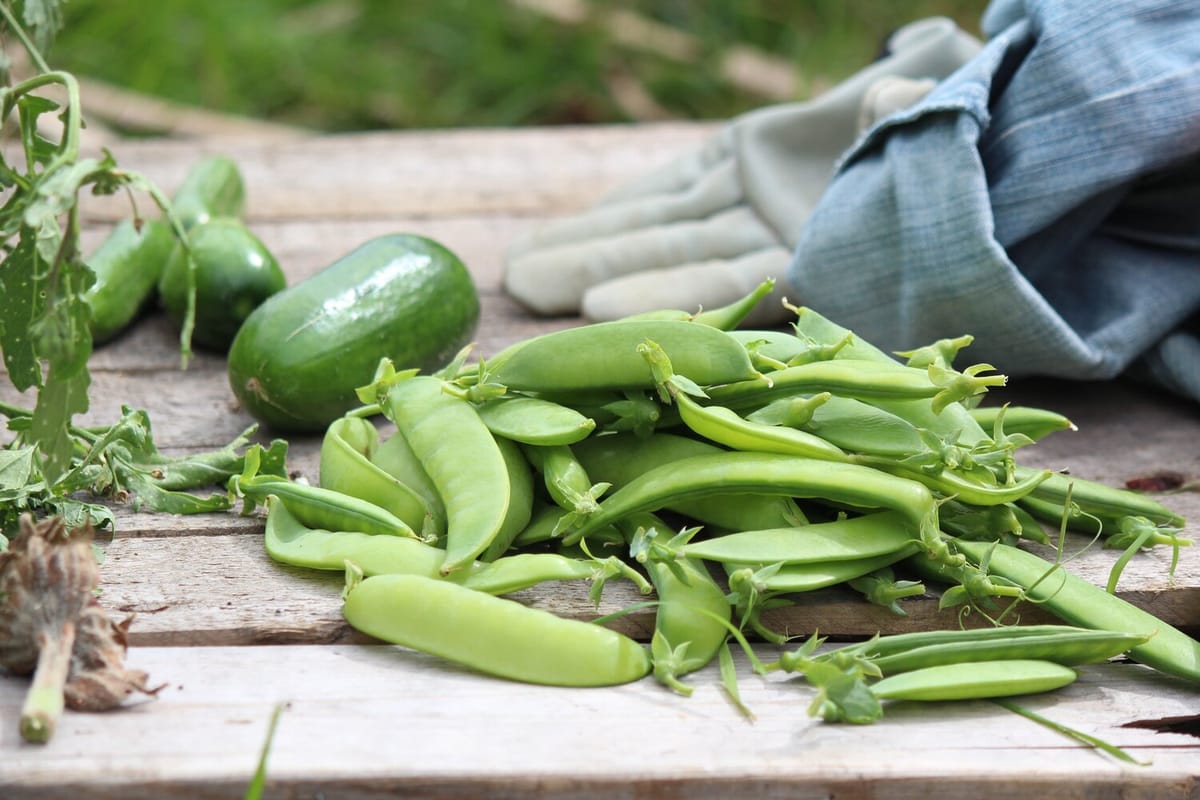
Join the grow your own food and get these jobs done in March
Here in Australia, March (usually) ushers in the cool embrace of autumn, a perfect time to prepare your patch for a bountiful harvest come spring. Whether you're a seasoned green thumb or a curious newbie, this guide will equip you with the knowledge to transform your backyard into a flourishing haven, even with our weird weather!
I’ve had so many people asking me lately what do I plant,? Is it garlic time yet? What should I plant now to eat this winter? The sense is, people are thrown because of the wild and unusual weather we have had across our country. Where I live, we have had a few drizzles of rain since September last year. It is currently the beginning of March and still 35 degrees. So with this in mind, people need to reconsider their planting rituals and observe what’s happening where they live. As the weather changes, it can allow us to extend our growing season well into autumn and even through winter with careful planning and plant selection.
So, grab your trusty gardening gloves and let's get started!
March presents a golden opportunity to sow a diverse array of vegetables, categorised into two main groups:
Seeds to Sow Directly
Leafy delights: Lettuce, spinach, rocket, and Asian greens thrive in cooler weather and can be sown directly into prepared garden beds. Scatter seeds thinly, water gently, and watch them sprout into a salad-lover's dream!
Root vegetables: Beets, carrots, parsnips, and radishes are all well-suited for direct sowing. Sow seeds about an inch deep and keep the soil consistently moist for optimal germination.
Brassicas: Broccoli, cauliflower, and cabbage also appreciate cooler temperatures. Sow seeds directly in garden beds, ensuring they receive adequate sunlight for healthy growth.
Seeds to Start for Seedlings
It’s survival of the fittest at my place, so there’s no indoor mollycoddling here. Although I prefer direct sowing, I start some of my seeds in trays on a table out the back before transplanting them to the garden later. Here's how to start your seedlings in trays at your place:
Seed Selection: Choose high-quality seeds suited for your climate and desired harvest time. Go to your local community garden, find a seed swap or buy from a local marketplace for your best results. If you want to buy seeds - Down 2 Earth Gardening or Thrive Sustainability are great WA sources.
Sowing Process: Fill seedling trays with a well-draining potting mix. Sow seeds according instructions, gently covering them with soil. Water carefully and place the trays where they won’t get knocked over. I like to upcycle where possible, so I use loo rolls, old pots and eski’s etc. to get the seeds sprouting.
Seedling Care: Keep the soil consistently moist but not soggy. Once your seedlings develop a few sets of true leaves, thin them out to allow for proper growth. Gradually migrate them to their garden bed before planting (I take one or two pots out to the garden and see if they survive the weather before putting in the entire lot just in case).
Sow in Trays: broad beans, chives, collards, coriander, dill, endive, fennel, kale, kohlrabi, warragal greens, Pak choy, parsley, Swede, silver beet, snow peas, spring onion (it’s also good to plant direct and plant in trays as a fail safe).
Harvesting Your Summer Bounty
March also marks the start of harvesting season for some of our summer favourites:
Zucchini: Enjoy the last hurrah of zucchini season by picking them when they reach a firm size.
Eggplant: Look for plump, firm eggplants with vibrant skin colour.
Herbs: Snip away at fresh herbs like basil, rosemary, and oregano to add a touch of fragrant goodness to your dishes. Remember, regular harvesting encourages further growth.
Preserving the Goodness
Don't let your harvest go to waste! Here are some tips for extending the shelf life of your homegrown produce:
Blanching and freezing: This technique is perfect for vegetables like zucchini and corn. Blanch them briefly in boiling water, then plunge them into ice water. Once cooled, store them in airtight containers in the freezer for later use.
Drying: Herbs like sage, basil and oregano can be easily dried by hanging them in a cool, well-ventilated area. Once dried, store them in airtight containers for continued use throughout the year.
Workshop: If you are unsure where to start, I have a preserving class coming up later in the year. Head to the events section to hear how you can get hands-on this winter.
Garden Jobs for March
Embrace the autumnal rains when they come! Utilise this natural irrigation by planting seeds directly after a good downpour. Rainwater is a valuable resource, so consider installing a rainwater tank to harvest and store it for future use. One of my autumnal jobs is to install additional gravity fed irrigation stations for my nursery so it can survive the longer summers.
As the days get shorter, remove any shade structures that might block sunlight from reaching your plants, especially those nearing harvest.
Citrus season is approaching, so give your citrus trees a boost with a compost tea (or you could just get the fellas to help you add a boost!). This will promote healthy growth and encourage abundant fruit production.
March is also the perfect time to think about your future growing zones. Prepare your garden beds for planting winter trees like apples, pears, and stone fruits. Choose varieties that thrive in our temperate climate and research their specific planting requirements should you want a variety of species.
As autumn paints the landscape in warm hues, remember that a successful garden is a journey, not a destination. With a little planning, dedication, and the support of resources like my sustainable living series, you can cultivate a thriving haven, season after season. So, get out there, embrace the cooler autumn days, and witness your garden come alive!