September Gardening Guide for Temperate Australia
September Gardening Guide in Temperate Australia
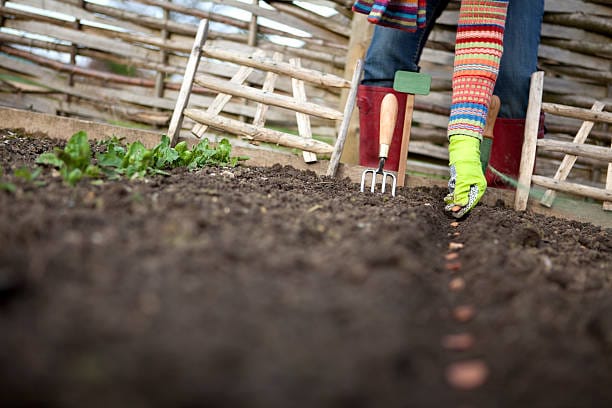
Spring into Action: Your Ultimate Planting Guide for Temperate Australia
Spring has sprung! As the days lengthen and the sun warms our shores, it's time to dust off those gardening gloves and get ready to transform your backyard into a thriving oasis. With the unpredictable weather patterns of recent years, it's more important than ever to choose the right plants and gardening strategies for a successful harvest.
A Bounty of Choices:
Spring offers a plethora of planting possibilities in temperate Australia. From leafy greens to vibrant flowers, there's something to suit every taste and garden space. Here's a breakdown of popular options:
Vegetables:
Leafy Greens: Spinach, kale, lettuce, rocket, and collards thrive in the cooler weather.
Brassicas: Broccoli, cauliflower, Brussels sprouts, and cabbage add a crunch to your meals.
Root Vegetables: Carrots, beetroot, parsnips, and radishes offer a hearty harvest.
Peas and Beans: Nitrogen-fixing legumes like snow peas, sugar snap peas, and broad beans add flavour and improve soil health.
Tomatoes, Capsicums, and Eggplants: These warm-season crops can be started indoors and transplanted once the risk of frost has passed.
Herbs: Basil, parsley, thyme, rosemary, and oregano add a burst of flavour to your dishes and attract pollinators.
Flowers:
Pansies and Violas: These cheerful blooms add color to your garden and attract pollinators.
Snapdragons: Their tall spikes of vibrant flowers are a sight to behold.
Stock: These fragrant flowers come in various colors and are loved by bees.
Calendula: Known for their medicinal properties, calendulas are also a beautiful addition to your garden.
Sweet Peas: These fragrant climbers add a touch of romance to your space.
Planting Tips:
Soil Preparation: Ensure your soil is well-draining and rich in organic matter. Add compost or aged manure to improve fertility.
Seed Starting: For heat-sensitive crops, start seeds indoors a few weeks before the last frost. Harden off seedlings before transplanting them outdoors.
Spacing: Follow the recommended spacing for each plant variety to allow for proper growth and development.
Watering: Water regularly, especially during dry periods. Deep watering encourages deeper root growth.
Mulching: Apply a layer of mulch around your plants to help retain moisture, suppress weeds, and protect against temperature fluctuations.
Embrace the Unexpected:
Remember, weather patterns can be unpredictable, so be prepared to adapt your gardening plans as needed. Monitor your plants regularly and adjust your care routine accordingly. With a little planning and patience, you'll be rewarded with a bountiful harvest and a beautiful garden to enjoy.
So, what are you waiting for? Grab your gardening gloves, head outside, and let the planting adventure begin!