A Winter Guide to Pruning and rden Maintenance
A Winter Guide to Pruning & Garden Maintenance
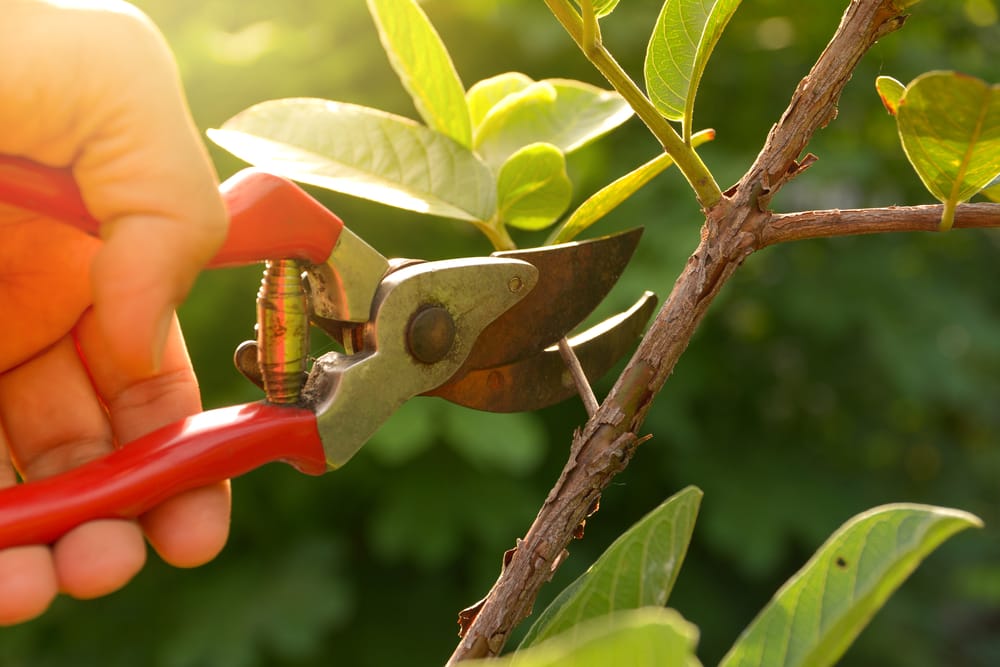
Winter Pruning Power: A Guide to Keeping Your Aussie Garden Thriving Through the Chilly Months
As the days shorten and the air crisps, many gardeners might be tempted to pack away their tools and hibernate alongside the resident ladybug population. But hold on! Winter, despite its frosty reputation, is actually a prime time for some crucial garden maintenance tasks – especially pruning.
Here in Australia, our temperate winters offer the perfect opportunity to prune many plants, giving them a head start for the coming spring. So, grab your secateurs, sharpen your loppers, and get ready to transform your garden into a blooming masterpiece come spring with this handy winter pruning guide:
Why Prune in Winter?
There are several advantages to pruning in winter:
Easier Visibility: With leaves and flowers gone, the structure of your plants is exposed, making it easier to identify dead, diseased, or overcrowded branches.
Plant Dormancy: During winter, most plants are dormant, meaning they're less susceptible to stress and disease from pruning cuts.
Encouraging New Growth: A well-timed winter prune encourages bushier growth and promotes better flowering and fruiting in the spring.
Arm Yourself with Knowledge (and the Right Tools!)
Before diving headfirst into the pruning frenzy, it's important to understand the specific needs of your plants. Different species require different pruning techniques and timings. Here are some resources to help you get started:
Research online: A quick web search with the name of your plant and "winter pruning" should provide you with species-specific instructions.
Consult a gardening book or magazine: Many resources offer detailed pruning guides for popular Australian plants.
Ask the experts: Your local nursery or gardening club can be a wealth of knowledge when it comes to pruning specific plants in your climate.
Now, let's get pruning!
Here's a rundown of some common plants you can tackle with your trusty pruning tools this winter:
Deciduous Fruit Trees (Apples, Pears, Stone Fruits): Aim for a balanced, open framework. Remove any dead, diseased, or crossing branches. Shorten lateral branches (those growing out to the sides) by a third to half to encourage fruiting.
Roses: Give your roses a good winter prune to remove spent blooms, dead or diseased canes, and any weak or overcrowded growth. Aim for good air circulation within the rose bush.
Wisteria: This vigorous climber benefits from a winter prune. Cut back long, straggly stems to encourage new growth and flowering next spring.
Hydrangeas: There are different types of hydrangeas, each with specific pruning requirements. Generally, for mophead hydrangeas (large, rounded flower heads), prune immediately after flowering has finished. For panicle hydrangeas (cone-shaped flower heads), you can prune in late winter or early spring.
Deciduous Shrubs (Like Lilac, Spirea): Remove any dead, diseased, or damaged branches. You can also thin out crowded stems to improve air circulation and encourage new growth.
Remember: When pruning, always use clean, sharp tools to make clean cuts that heal quickly. Disinfect your tools between cuts to prevent the spread of disease.
Winter Garden Maintenance Beyond Pruning
While pruning takes centre stage during winter, there are other important garden maintenance tasks to consider:
Weeding: Weeds compete with your plants for water and nutrients. Take advantage of the cooler weather and damp soil to pull weeds before they establish themselves.
Composting: Winter is a great time to add kitchen scraps and yard waste to your compost bin. The decomposition process slows down in winter, but it still happens! Come spring, you'll have a treasure trove of nutrient-rich compost to add to your garden beds.
Planting: While some planting is best saved for spring, there are winter-loving vegetables you can sow such as broad beans, carrots, leeks, and onions.
Protecting Tender Plants: If you experience frosts in your area, protect tender plants with frost cloths or row covers.
Embrace the Winter Gardener Mindset
Winter gardening might not be about explosive growth and vibrant blooms, but it's a crucial time to lay the foundation for a thriving spring and summer garden. See it as an opportunity to connect with your garden in a different way, to prune with purpose, and to prepare your green haven for the glorious return of spring.
So, grab your secateurs, a warm cuppa, and embrace the magic of winter gardening! Your future self, surrounded by a flourishing spring garden, will thank you for it.
Happy Winter Gardening!