Beginners Guide to Starting a Worm Farm
Beginners Guide to Starting a Worm Farm Australia
Wormery Wonders: How to Start a Happy Worm Farm
Calling all eco-warriors and composting enthusiasts! Have you ever considered starting a worm farm? These little wigglers are nature's waste-recycling champions, transforming your kitchen scraps into nutrient-rich castings (worm poop) – a fantastic fertiliser for your garden. Intrigued? This beginner's guide will equip you with everything you need to create a thriving worm farm and unlock the power of vermicomposting (worm composting) in your own home.
Why Worm Farming? Here are the Perks:
Kitchen Waste Warrior: Worms devour food scraps, reducing your reliance on landfill and minimising your environmental footprint.
Composting Champion: Worm castings are a goldmine for your garden. Packed with nutrients, they improve soil fertility, aeration, and moisture retention, leading to healthier and happier plants.
Low Maintenance Marvel: Worm farms are relatively low maintenance. Once set up, they require minimal effort to keep your composting crew happy.
Compact and Convenient: Worm farms come in various sizes, making them suitable for apartments, balconies, or even backyards.
Assembling Your Wormy Wonderland:
The Worm Bin: There are various worm farm options available, from simple plastic bins to multi-tiered systems. Choose a bin that suits your space and budget. Ensure proper drainage with small holes drilled in the base of the bin. We use an old bathtub on our patch!
Bedding Bonanza: Worms need a cosy and absorbent home. Shredded newspaper, cardboard (avoid glossy prints), or coconut coir make excellent bedding materials. Aim for a moisture level similar to a damp sponge.
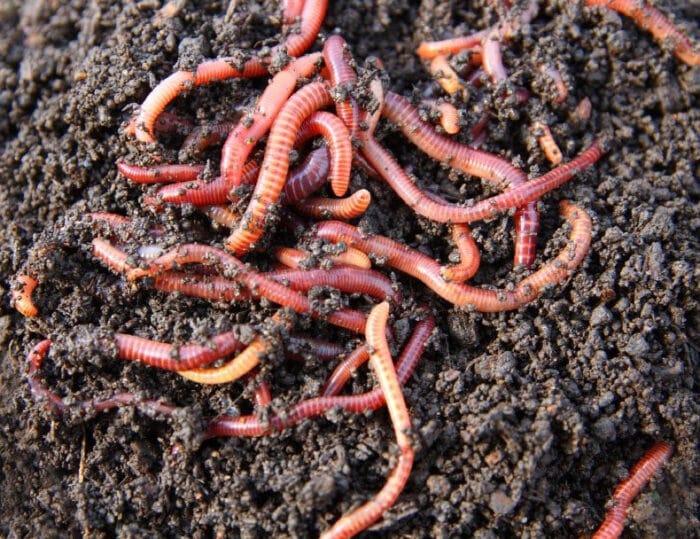
The Wormy Welcome Wagon: The stars of the show! Purchase composting worms from a reputable supplier. Red wigglers (Eisenia fetida) are a popular choice for beginners due to their hardiness and efficient composting abilities. Start with around 1000 worms for a small bin.
Feeding Your Fantastic Fanatics:
Feast Fit for Worms: Worms enjoy a variety of food scraps, including vegetable peels, fruit cores, coffee grounds (used), eggshells (crushed), and tea bags (minus the staple). Avoid oily or greasy scraps, meat products, and dairy products as these can attract pests and create unpleasant odours, in the beginning. Once you get used to how your worms work, you can pretty much add anything just make sure it’s in small pieces, a little at a time and with a handful of carbon (e.g. dead leave, dry grass clippings etc).
Food Frenzy: Don't overwhelm your worms! Start with a small amount of food scraps and bury them under the bedding. As the worm population grows, you can gradually increase the amount of food. You be the judge of how fast they consume and grow!
Moisture Matters: Maintain a consistent moisture level in the bedding. If the bedding feels dry, add a little water. If it's too soggy, add more shredded paper or cardboard to soak up excess moisture.
Happy Worms, Happy Gardener:
Location, Location, Location: Place your worm farm in a cool, shaded location. Avoid direct sunlight and extreme temperatures.
Bedding Bliss: Every few months, add a fresh layer of bedding material on top of the existing bedding. This provides the worms with new food and helps aerate the compost.
Harvesting the Goodness: After several months, your worm farm will be brimming with nutrient-rich castings. There are various methods for harvesting, such as the migration method (placing fresh bedding on one side to encourage worms to migrate) Do some research to find the technique that best suits your worm farm setup.
Embrace the Wiggly World of Worm Composting!
Starting a worm farm is a rewarding and eco-friendly adventure. By following these steps and providing your wiggly friends with a comfortable and food-rich environment, you'll be well on your way to creating a thriving worm farm and unlocking the magic of nutrient-rich worm castings for your garden. So, grab your scraps, gather your supplies, and get ready to welcome a team of hardworking decomposers into your home. Happy worm farming!